












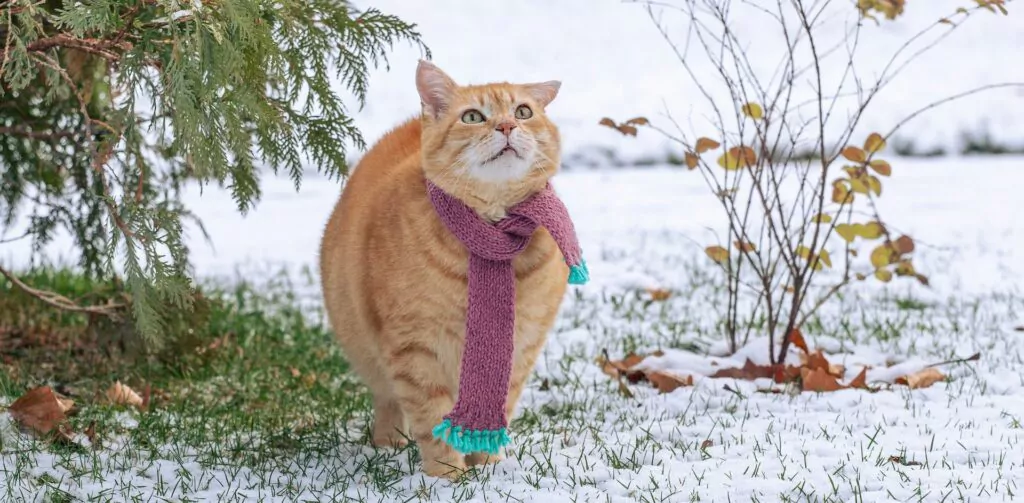
Not every cat can handle cold and frost well. Here you’ll find tips and useful information on how to take care of a cat in winter and how to protect it from freezing temperatures. With 8 handy care tips!
On this page, you’ll read about:
- What temperature is too cold for a cat
- Whether a cat can sleep outside in winter
- Whether a cat can survive freezing cold
- How to recognize if a cat is too cold
- 8 tips for taking care of a cat in cold weather
1. What temperature is too cold for a cat?
Cats love warmth and don’t like the cold as much. However, they can handle it quite well. Still, extreme cold is not good for a cat. If the temperature outside drops below 10°C, older cats, very young cats, cats with short fur, sick cats, and cats that are not used to outdoor life can be affected by it. And for every cat: if the temperature goes below freezing (0°C or lower), it must always be able to seek warmth.
Is your cat going outside in the winter? Always make sure your cat can come inside if it needs to!
Inside, a temperature of 20 to 23°C is ideal for cats. Do you lower the heating when you leave? Then make sure it doesn’t drop below 15°C inside, and that your cat can find warm spots – such as a tall scratching post with warm sleeping areas. Or place a warm blanket on the couch or windowsill. That’s always a success too.
2. Can a cat sleep outside in the winter?
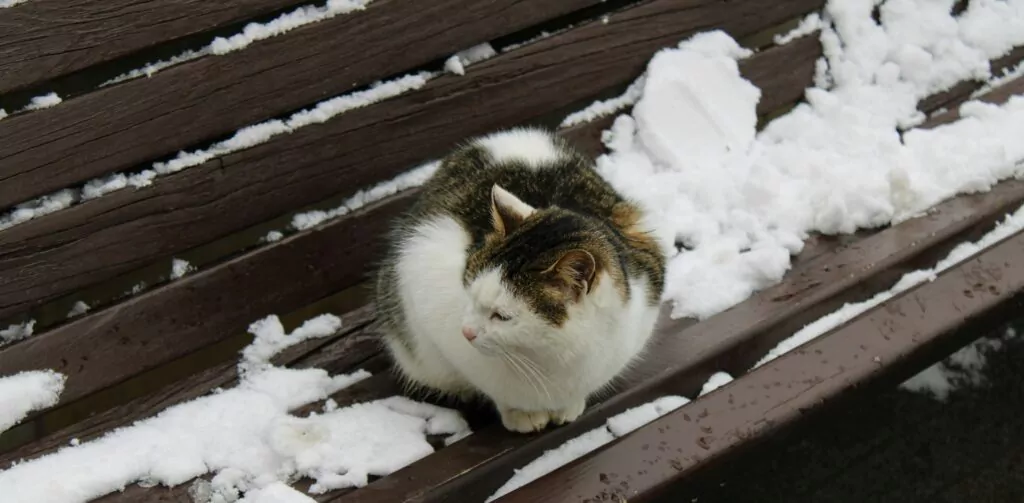
The answer to whether cats can sleep outside in the winter is: no. Cold, moisture, wind, and snow are not good for a cat. They can cause hypothermia. Even cats that often go outside need a warm and sheltered place to sleep in the winter.
Some cats really want to be outside, even when it’s cold. Do you have one of those outdoor adventurers who wants to go out in winter too? Then install a cat flap in your door and make sure your cat can come inside whenever it wants. Prefer not to have a cat flap in your home? Then install one in your shed or garage and create a warm and sheltered sleeping spot there for your cat.
A scratching tower is ideal in that case. Or build your own little cat house, an insulated shelter, or use a cardboard box filled with straw. But be careful: don’t use blankets, as they can get damp and make your cat cold anyway. And always place the cat shelter in a dry (preferably elevated) spot.
Stray cats also appreciate a safe and warm sleeping place. Want to know more? You can read here how to help stray cats.
3. Can a cat survive in freezing cold?
Exposing a cat to freezing temperatures comes with many risks—a cat that is outside when it’s freezing (meaning 0°C or colder) can become hypothermic, suffer skin damage, or even show signs of frostbite. The extremities of a cat’s body are especially vulnerable: the ears, tail, and paw pads can freeze easily.
So, can a cat survive in freezing cold? Yes, but there are many risks involved. Has your cat escaped in winter, been accidentally locked outside, or is there a stray cat wandering around your area? Then set up a safe, warm, and dry sleeping spot outside. Or leave the shed door slightly open and place a crate or box with a layer of straw inside.
Has your cat accidentally been outside for a long time in freezing weather? Always check them for signs of hypothermia or frostbite when they return home.
Does your cat feel cold, does their skin look unusual, are they moving slowly, or shivering? Then you need to act quickly and call the vet.
4. What are signs that a cat is too cold?
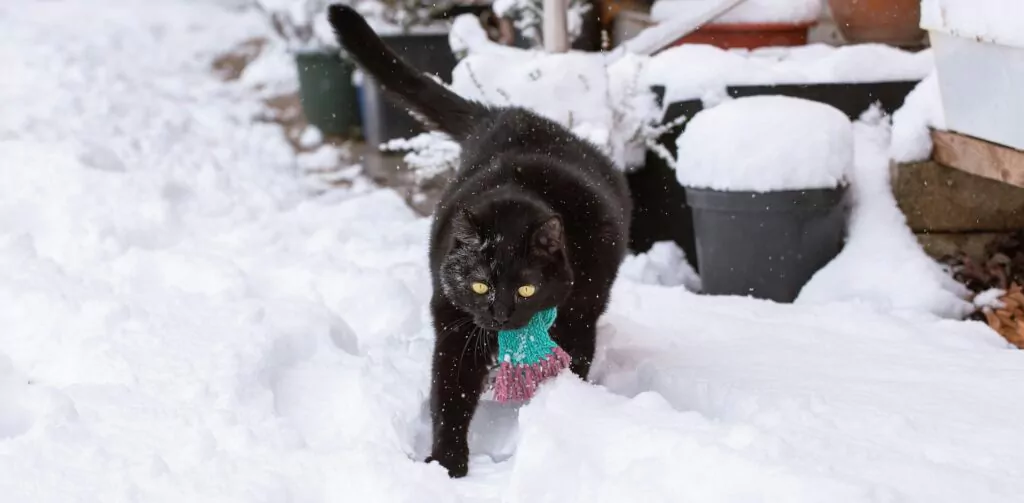
A common question is: How do you know if your cat is too cold? There are some easily recognizable signs to look out for. Your cat is too cold if it:
- Starts shivering
- Becomes sluggish
- Has pale gums
- Withdraws to unusual places
- Hides under blankets, near the heater, or in your laundry
Think your cat is cold? Check their ears, paws, and tail by feeling them—those parts of a cat’s body get cold first.
If your cat feels very cold, is behaving differently, and seems lethargic, it could be hypothermic. Hypothermia doesn’t only occur in winter or during frost. Cats that get wet when it’s chilly outside, weakened cats, or cats that have been outside too long can also develop hypothermia. Here’s how to help a hypothermic cat:
- Bring the cat into a warm room immediately.
- Wrap them in a warm, dry towel or fleece blanket.
- If the cat allows it: hold them close to you—your body heat will help warm them up.
- Offer the cat some lukewarm water or wet food mixed with lukewarm water.
If the cat doesn’t improve within half an hour, call your vet right away!
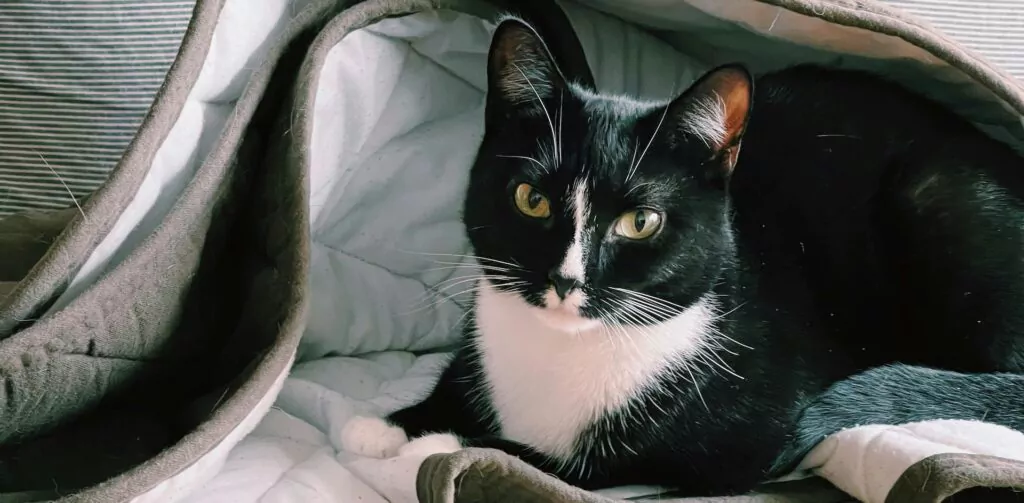
5. Handy: 7 Tips for Taking Care of a Cat in Cold Weather
Tip 1. Provide warm sleeping spots in the house
Cats sleep a lot – preferably high up and warm – and they love a tall cat tree with cozy sleeping areas. If it’s colder than 10°C outside, don’t let your cat stay out for too long. Is it freezing? Then it’s best to keep your cat indoors where it’s nice and warm. If your cat really wants to go outside, stay with them until they’re ready to come back in.
Tip 2. Give outdoor cats extra food
Cats burn more energy when it’s cold, as they need to keep their body temperature up. If your cat is often outside or there’s a stray cat in your area, give them a bit more food or a cat snack with extra calories.
Tip 3. Make sure your cat can come inside and create a sheltered outdoor spot
When it’s cold or freezing, a cat must always be able to come indoors if it wants to. So set the cat flap to allow entry. For outdoor cats and strays: if possible, leave your shed door slightly open and place a cat shelter or box with straw in a dry, covered spot.
Tip 4. Brush your cat’s coat regularly
A well-groomed coat protects better against the cold. So brush your cat regularly and check that their skin and fur are in good condition.
Tip 5. Be careful with heat sources
A cat that’s very cold will seek out warm spots. But things like radiators, fireplaces, or pipes can get extremely hot. Keep your cat away from those and offer safe alternatives, like a comfy cat bed, a cardboard box, a fleece blanket on the windowsill, or a cat tree with hammocks.

Tip 6. Give your cat extra attention and playtime
Cats that spend a lot of time indoors can get bored. You can prevent that by giving your cat some extra attention and playing with them more often – three sessions of 5 minutes a day is already enough. Also, give your cat some new toys or create something fun using cardboard boxes with holes in them.
Tip 7. Clean your cat’s paws
Salt (grit) is often sprinkled on garden paths, patios, and sidewalks to keep them free of snow and ice. It’s safe for people, but unfortunately not so great for cats – it can irritate their skin, and it’s a type of salt that your cat shouldn’t ingest. So always clean your cat’s paws after they’ve been outside in the winter.
Every cat deserves to get through the winter warm, safe, and comfortable. So keep a close eye on your cat, watch out for stray cats in your area too, and treat them to safe, soft, and warm cat beds! Do you suspect your cat is too warm or has a fever? Then check out our article about cats, fevers, and their body temperature.
Disclaimer: Petrebels is not a veterinarian or behavior specialist: all content, information, and tips on this blog are meant to inspire and are for informational purposes only. If your cat has symptoms or health concerns and you’re in doubt, always consult a vet or behavior expert.