













Tip 1: Create a Safe and Comfortable Environment
A new environment is very exciting for a kitten. Everything is new to them — they are no longer with their mother, they have entered a new family, and they are in a new home. That’s a lot for such a little creature.
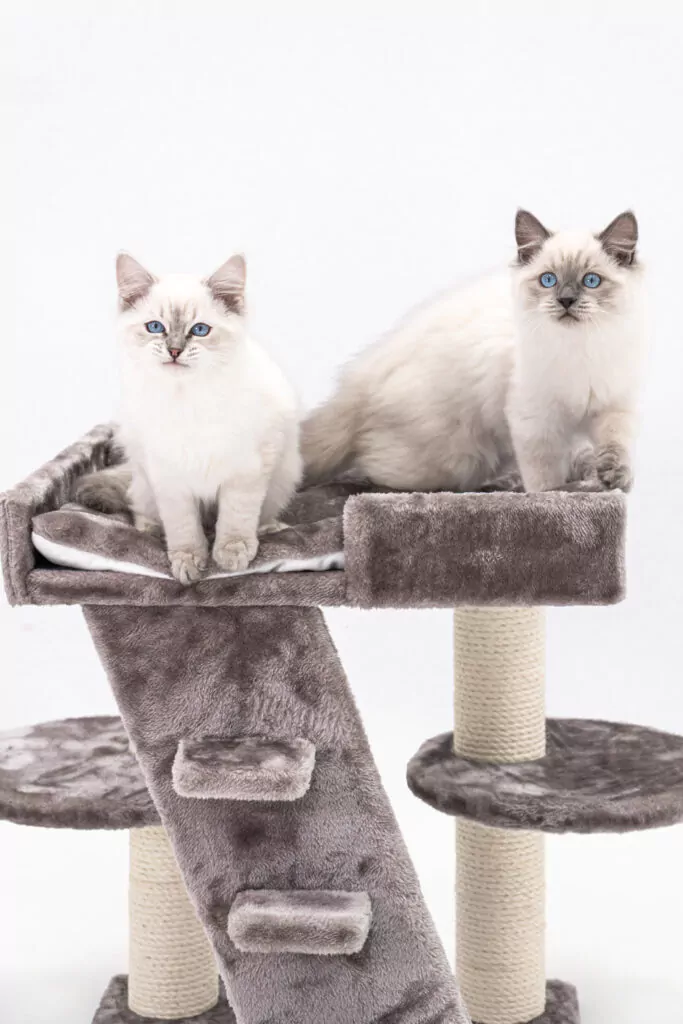
That’s why it’s important to give a kitten its own spot where it feels safe and can relax after all these new experiences. This could be a warm basket, a box with a soft blanket inside, or a cat tree made especially for kittens. Of course, you can provide all of these! Make sure to place at least one of these safe spots in a quiet room where there are no other animals or children. This way, your kitten can slowly adjust to the new environment.
It’s also essential to make your home “kitten-proof.” You should treat a young kitten like a small child that needs to be protected from everyday dangers. So, keep windows and doors closed (be especially cautious with tilt-and-turn windows, as they are dangerous for cats), store sharp and small objects safely, as well as cords and cables, and make sure the kitten can’t crawl into small spaces where you can’t reach them.
Tip 2: Provide Proper Nutrition and Fresh Water
A kitten grows very quickly and therefore needs food that is rich in proteins, vitamins, and minerals. So, feed your little rebel food that is appropriate for their age, as it contains everything they need for healthy development. Keep in mind that a kitten’s stomach is still very small, so feed them three to four times a day in small portions rather than one large meal. Unsure about which type of kitten food to buy? Ask your vet for advice, as they have a lot of experience with this.
Fresh water is also essential for kittens. Make sure your kitten gets fresh water at least twice a day. Place several water bowls around the house because cats like to drink in different spots around the home.
Tip 3: Teach Your Kitten to Use the Litter Box
If you’re lucky, your kitten will already be potty trained before coming to live with you. However, there’s a chance your kitten may still need to learn how to use the litter box. Fortunately, this usually happens naturally, but sometimes the little cat might need a bit of help.
Place the litter box in a quiet area of the house, but make sure it’s still easily accessible for your kitten. After every meal or nap, place your kitten on the litter box. This way, they become familiar with the spot and, over time, understand what it’s for. Encourage your kitten with gentle words and the occasional pet as a reward, as positive reinforcement helps them learn quickly and prevents accidents in the house.
Tips for the Perfect Litter Box for Kittens:
- The litter box should not be too large.
- The litter box should not have edges that are too high.
- Fill the litter box with clumping cat litter.
- Scoop out the litter box every day.
- Clean the litter box at least once a week.
Do you have more than one cat in the house? Find out here how many litter boxes you’ll need
Tip 4: Play with Your Kitten Every Day
Kittens have a lot of energy and need movement to burn it off. That’s why it’s important to play with your kitten regularly. Playtime helps kittens develop their muscles and hunting instincts. Plus, playing together strengthens the bond between you and your kitten — and that’s a lot of fun!
Choose cat toys that stimulate their hunting instincts, such as a wand with a feather attached, small balls, or toy mice. Let your kitten chase, stalk, and pounce on the toy. This provides them with a sense of satisfaction while also supporting their natural behavior.
A cat tree is also a great play area for kittens. It gives them a place to climb, play hide-and-seek, and, of course, scratch (which helps protect your furniture!). If you frequently order clothes online, save the cardboard boxes — cats love them!
Tip 5: Let Your Kitten Gradually Get to Know Everyone
The first four months of a kitten’s life are the most important because this period sets the foundation for the behavior they will show as an adult cat. That’s why it’s essential to let your kitten gradually get used to adults and children, as well as noisy household appliances like vacuum cleaners or hairdryers. It’s also important to introduce them to other pets in the house.
At first, keep your pets in separate rooms and start by swapping their blankets or toys so they can get used to each other’s scent. When it’s time for the first introduction, make sure it’s a positive experience for all animals involved. The best approach is to feed them at the same time, as love often goes through the stomach — even for animals! Also, make sure every pet has the chance to retreat if things become too overwhelming. A scratching barrel with multiple levels can help provide a place for kittens to feel safe.
Children can be energetic or playful with kittens. While often well-intentioned, this behavior can be overwhelming or even frightening for a small kitten. That’s why it’s important to teach children how to handle kittens properly. Here are some useful tips:
- Teach children to let the kitten sniff their hand first.
- If that goes well, the child can gently pet the kitten.
- Kittens do not like to be picked up, as they are still very small. Teach children not to do this.
- Never leave small children alone with a kitten without supervision.
If your children can remain calm and gentle with the kitten, the kitten will feel more at ease, which reduces stress and prevents fear.
Tip 6: Help Your Kitten Get Used to Grooming
Good basic care — such as brushing, cleaning ears, clipping nails, and brushing teeth — is essential for kittens. Start as early as possible so your kitten can get used to it, making it easier each time. Start with short, gentle brushing sessions and gradually increase the duration, unless your kitten seems to enjoy it — then you can continue brushing as long as they like.
Also, get your kitten used to a soft toothbrush designed for kittens. This will be useful later when you need to brush their teeth as they grow. The same goes for nail clippers. You don’t need to trim their nails right away, but let your kitten get used to seeing and hearing the clippers. Be sure to purchase a special nail clipper for cats, as it has a blunt end, making it safer to use.
Make every grooming session a positive experience. Reward your kitten with petting, cuddles, or a tasty treat to help them see grooming as something fun and safe.
Tip 7: Establish a Routine for Vet Visits
A healthy start in a kitten’s life begins with a visit to the vet. In the first few months, your kitten will need several vaccinations to protect against diseases and parasites like worms, ticks, and fleas. Ask your vet for advice on how often these treatments are needed to ensure your kitten grows up healthy and well-protected.
Your kitten will also need to be “fixed” to prevent unwanted breeding. For both male and female cats, this is called neutering. Your vet can provide all the information you need about this procedure.
It’s also a good idea to get your kitten used to the travel carrier and car rides. Leave the travel carrier open in a room where your kitten spends a lot of time. Place a soft blanket inside to make it cozy, so they can go in and feel safe. Once your kitten is familiar with the carrier, you can occasionally take them for short car rides. Even a short drive around the block is enough to introduce them to the experience of being in a car and a travel carrier. This preparation will come in handy later when you need to take your kitten to the vet. And, of course, don’t forget to reward your kitten with a tasty snack and a cuddle afterward!
Bringing a kitten into your home is super exciting, but it also comes with a big responsibility. You are now taking on the role of the kitten’s mother, and it’s up to you to care for them properly. You can do this by creating a safe environment, providing a scratching post designed for small cats, offering the right nutrition, playing with them daily, and establishing a consistent grooming routine. This will prevent accidents, make your kitten feel safe and happy, and support their healthy development as they grow.
Enjoy your time with your new little rebel!
Read when it is safe to let your cat or kitten outside
Disclaimer: Petrebels is not a veterinarian or animal behavior specialist. All content, information, and tips on this blog are intended to inspire and provide general information. If your cat shows signs of illness or behavioral issues, always consult a veterinarian or animal behavior specialist.