












1. What is the ideal body temperature of a cat?
The normal body temperature of a cat ranges between 38 and 39.5 degrees Celsius, which is slightly higher than that of humans. Cats are warm-blooded and maintain a constant body temperature – unless they are stressed or have been playing intensely. In such cases, their temperature can temporarily rise by 0.5 to 1 degree Celsius. If you think your cat feels too cold or too warm, something might be wrong, and you should contact your veterinarian.
A HEALTHY CAT REGULATES ITS OWN BODY TEMPERATURE AND LIKES TO RELAX IN A CAT TREE WITH HAMMOCKS!
2. Can cats get a fever?
Cats can also get a fever. If their body temperature exceeds 39.5 degrees Celsius, your cat has a fever. A cat gets a fever when it is sick, has an infection, or is experiencing inflammation – the cat’s body tries to fight the illness by raising its temperature. This can be due to fungi, bacteria, a virus, toxins, or parasites. If your cat is sick, its body temperature can rise to 41 or 41.5 degrees, which is dangerous. Your cat will need medical care from a veterinarian.
3. How do you know if a cat has a fever?
Cats often don’t show that they are sick or in pain right away. However, there are signs that can indicate a fever in cats:
- Your cat is lethargic and sleeps a lot
- Your cat is shivering or trembling
- Your cat has an increased heart rate
- Your cat is panting or breathing faster
- Your cat is eating less than usual
- Your cat is experiencing muscle weakness
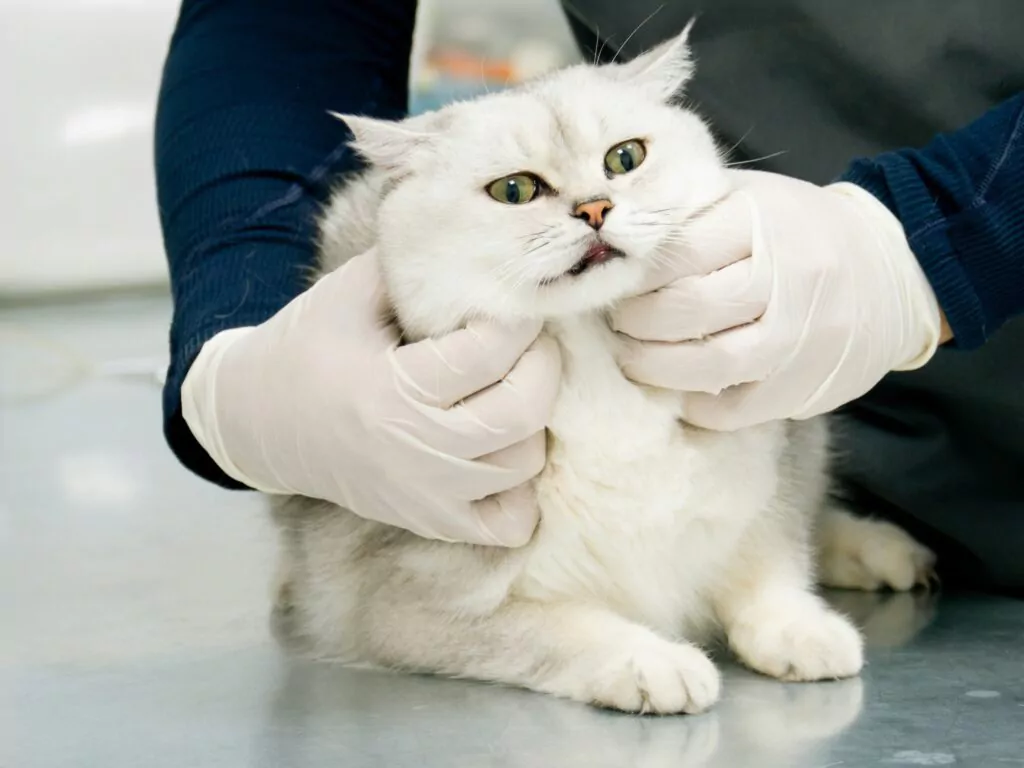
The only and most reliable way to know for sure if your cat has a fever is by measuring its temperature with a thermometer. If you’ve never done this before, visit your veterinarian, as they have the proper tools for this.
Good to know: you cannot take your cat’s temperature orally or with an ear thermometer. That only works for humans.
4. What should you do if your cat has a fever?
If your cat has a fever or an elevated body temperature, it’s important to find the cause of the fever. Your veterinarian will help you with that, as they will examine your cat and may also test their blood or urine. This way, you’ll quickly know what’s going on with your cat and how to help them.
Now you know when a cat has a fever, how to recognize it, and what to do. But did you also know that a cat can develop a dangerously high body temperature from too high temperatures in the spring or summer? This is called overheating, and we’ll tell you more about it below.
5. Can cats handle heat well?
Cats are originally desert animals and know exactly what to do when it’s warm. But there are limits. High temperatures, such as during long hot days or a heatwave, can be uncomfortable for cats. And sometimes even harmful. Every cat needs shady spots – both indoors and outdoors. Make sure your cat has a cool, shaded place to retreat to and that they have access to plenty of water. And definitely avoid playing with them on hot days.
THE TEMPERATURE IN A CAR, TENT, OR CARAVAN CAN RISE TO 50 DEGREES CELSIUS WITHIN 10 MINUTES.
NEVER LEAVE YOUR CAT IN SUCH A WARM SPACE!
6. When is a cat too hot?
Cats love to curl up on your lap, on the heater, or in a cozy warm cat bed in their scratching post during the winter. Cats enjoy warmth, but when temperatures exceed 25 degrees, they can start to suffer from heat stress.
Signs that your cat is too hot:
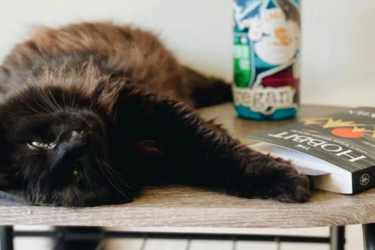
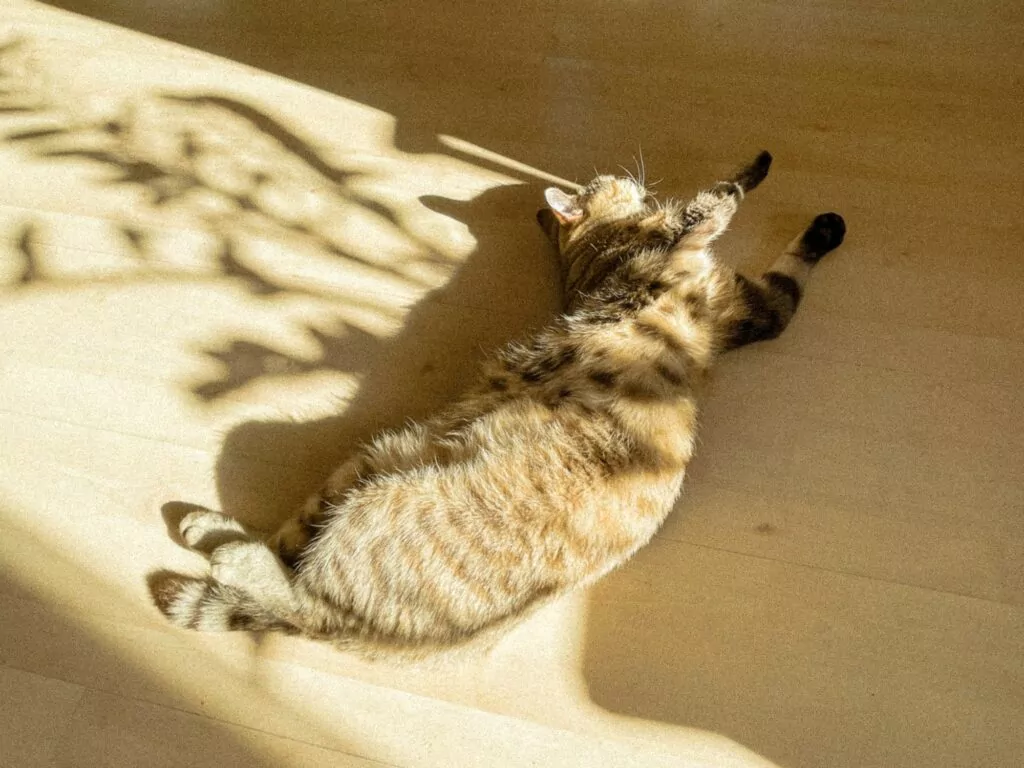
- Your cat is lying flat on a cool surface
- Your cat is panting (which cats normally never do)
- Your cat is moving less, is slower, and is seeking coolness
7. A cat that is overheated: how to recognize it?
If a cat is exposed to a too warm environment for a long time or has been lying in the sun for too long, it can become overheated. And that’s dangerous.
Symptoms of overheating include:
- Your cat is panting or has rapid and shallow breathing
- Your cat is lethargic and limp
- Your cat is drooling
- Your cat is vomiting
- Your cat has diarrhea
- The mucous membranes are red or very pale
- In very severe cases, a cat can have an epileptic seizure or fall into a coma
If you notice that your cat is overheated, you need to act quickly. Overheating can be dangerous – a cat can develop complications such as kidney failure, liver failure, or blood clotting disorders. So immediately call your veterinarian and ask what to do. In the meantime, help your cat cool down.

8. How to cool down a cat best?
If your cat is struggling with the heat or is even overheated, you should of course immediately ask your veterinarian for advice. But here’s what you can do to help your cat:
- Move your cat to a cool place
- Cool your cat down with a sheet that you’ve dampened with lukewarm water
- Note: never cool a cat with ice-cold water, as this is actually harmful to your cat
- If your cat is conscious, let them drink water that is room temperature or slightly lukewarm. Do not give them ice-cold water.
9. How does a cat regulate its body temperature?
Cats can – just like humans – sweat. But they only sweat through their paw pads. This sweating helps them cool down a little, but it’s not enough to really regulate their body temperature or cool them down properly. Cats have other clever ways to do this:
- Cats groom (lick) themselves more often: as the saliva evaporates, it helps them cool down a bit.
- Cats seek out cool places, such as garden tiles, a cold floor, or a spot with plenty of shade or a nice breeze.
- Cats stretch out more often when they are warm: by lengthening their bodies, they cool down.
10. What is the ideal temperature (indoors) for a cat?
The ideal indoor temperature for cats is between 21 and 22 degrees Celsius – that’s what they prefer. Cats don’t like it too cold, and too hot (like in the summer) isn’t good for them either. Always make sure that your house doesn’t get too hot in the summer. You can do this by closing your curtains, using sunshades (keeping the sun out of your house), turning on air conditioning, and letting cool air in during the evening. This is also quite pleasant for you, of course!
You can also make your garden comfortable for your cat. Plant (tall) bushes and place trees – they provide cooling and shade. And a parasol or sunshade works wonders as well. Tip: place water bowls in your garden or on your balcony.
11. Extra cat tips for warm summer days
- Never leave a cat alone in a closed space without ventilation – like a small room, a car, a caravan, or a tent.
- Keep your cat indoors during the hottest part of the day (usually between 11:00 AM and 3:00 PM).
- Don’t let your cat play intensively on hot days.
- Provide shady spots indoors, but also in your garden or on your balcony.
- Make sure there’s enough drinking water at room temperature, preferably by placing several water bowls. Don’t add ice cubes to the water, as that’s bad for your cat’s stomach.
- Do you think your cat is too warm? Gently rub their paw pads, head, and ears with a damp cloth with lukewarm water.
- Give your cat some wet food (canned food) with extra water at room temperature on hot days: it helps your cat stay hydrated.
Your cat’s body temperature says a lot about their health. If you’ve read this blog carefully, you now know how to recognize if your cat has a fever or is overheated, what to do, and how to prevent overheating. By seeking help from your veterinarian and managing heat wisely, you can ensure your cat feels better. So keep a close eye on your cat and take good care of them!
Disclaimer: Petrebels is not a veterinarian or behavior specialist: all content, information, and tips on this blog are intended to inspire and are for informational purposes. If your cat has complaints or issues and you are unsure about your cat’s health, always consult a veterinarian or a behavior specialist.