













1. Basic Cat Care
Do you have a cat and want to take the best possible care of it? Or maybe you want a cat and would like to know what a cat needs to be healthy and happy. Whatever it is, you’re in the right place. Here, we’ll tell you what a cat needs to lead a healthy and happy life – alongside you. And we’ll start with the basics because, of course, a cat needs more than just food and a litter box.
What you need to properly care for a cat
Good Nutrition
Choose high-quality cat food that suits your cat’s age, lifestyle, breed, and health condition. You can opt for dry food, wet food, raw meat, or a combination of them. Always choose a brand that offers the purest food possible (preferably with as little grain as possible) and food with a high meat content.
Fresh and Sufficient Water Every Day
Cats are naturally poor drinkers, which can lead to kidney and bladder issues. So, it’s up to you – the cat owner – to ensure your cat drinks properly. You can do this by providing fresh water every day, ideally twice a day. Place water bowls in different spots around the house, as cats prefer to drink in different locations. Or consider getting a cat water fountain, which most cats love.
Social Interaction
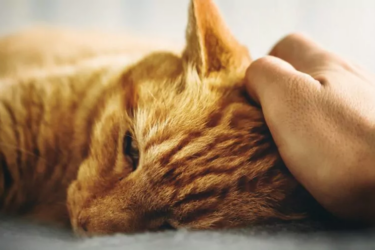
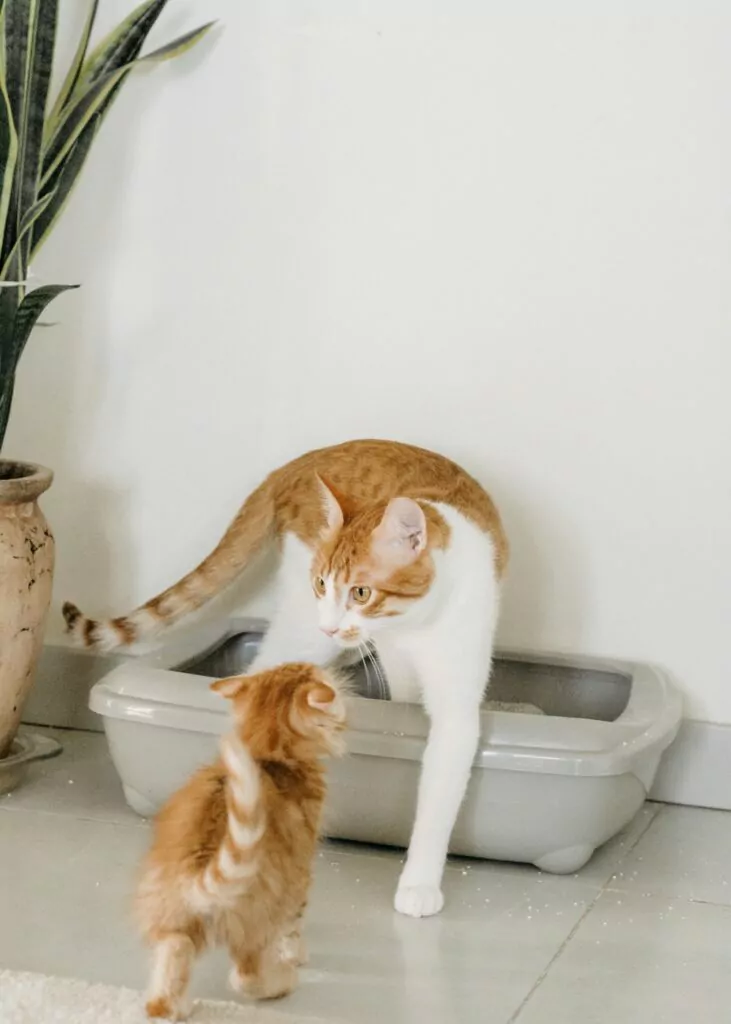
Some cats enjoy being on their own, but most cats really appreciate receiving attention and spending time with a fellow cat or their owner. Make sure your cat is never alone for too long, take time to play, and cuddle them as often as they want.
A Safe Environment
Ensure your cat’s environment is safe. Don’t leave sharp objects lying around, store cords safely, keep cleaning products out of reach, and be mindful of the plants you have in your home. Some houseplants are toxic to cats, such as the Christmas star, Monstera (Swiss cheese plant), and Hyacinth. Do you have a kitten at home? Then you’ll need to be extra cautious, as a little cat doesn’t yet know what’s safe or not, and you’ll need to teach them.
2. How to tell if your cat is healthy
Cats are good at hiding their pain and discomfort, so it’s important to keep an eye on their condition. A healthy cat can be recognized by its behavior and appearance.
These are the characteristics of a healthy cat:
- Clear eyes without excessive tear staining or crusting.
- A shiny, full coat without bald spots or sores. A dull coat can be a sign of illness or a nutrient deficiency.
- A clean nose without mucus or crusting. A runny nose can indicate an infection.
- Healthy ears without (excessive) wax or redness. If your cat shakes its head a lot, it may have ear mites and you should see a vet.
- An active, curious attitude. If your cat withdraws or is less active, it might mean it’s not feeling well.
- A good appetite and regular bowel movements. Pay attention to changes in eating behavior and stool, as these could indicate your cat is not healthy.
If you’re unsure about your cat’s health, take them to the vet.
3. The 7 Most Common Health Problems in Cats
Of course, you hope for a long and healthy life for your cat, but just like people, cats can also experience health problems. It could be something as simple as a mild cold, but serious issues can occur too. Below, we’ve listed the most common health problems in cats.
Overweight
Cats love to eat, but this can lead to them gaining too much weight. An overweight cat is not healthy – it has a higher risk of diabetes, joint problems, and heart diseases. Make sure your cat gets enough exercise, eats good-quality food, and isn’t given too many treats.
Digestive Problems
Cats have sensitive digestive systems and can suffer from diarrhea or constipation. If your cat is experiencing either of these issues, it’s best to visit the vet, as your cat could have a hernia, food poisoning, a parasite, or a virus. Are you changing your cat’s food? Do so gradually, as your cat needs time to adjust to new food.
Tear-Stained Eyes in Cats
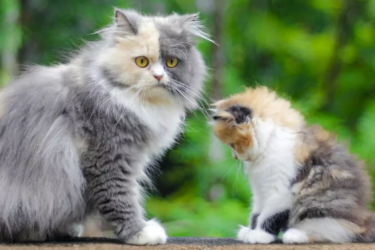
Many cats with a short snout (like the Persian Longhair) suffer from tear-stained eyes. But cats of other breeds can also have watery eyes. This can be caused by an allergy or infection. If the tear stains persist, take your cat to the vet.
Skin Problems
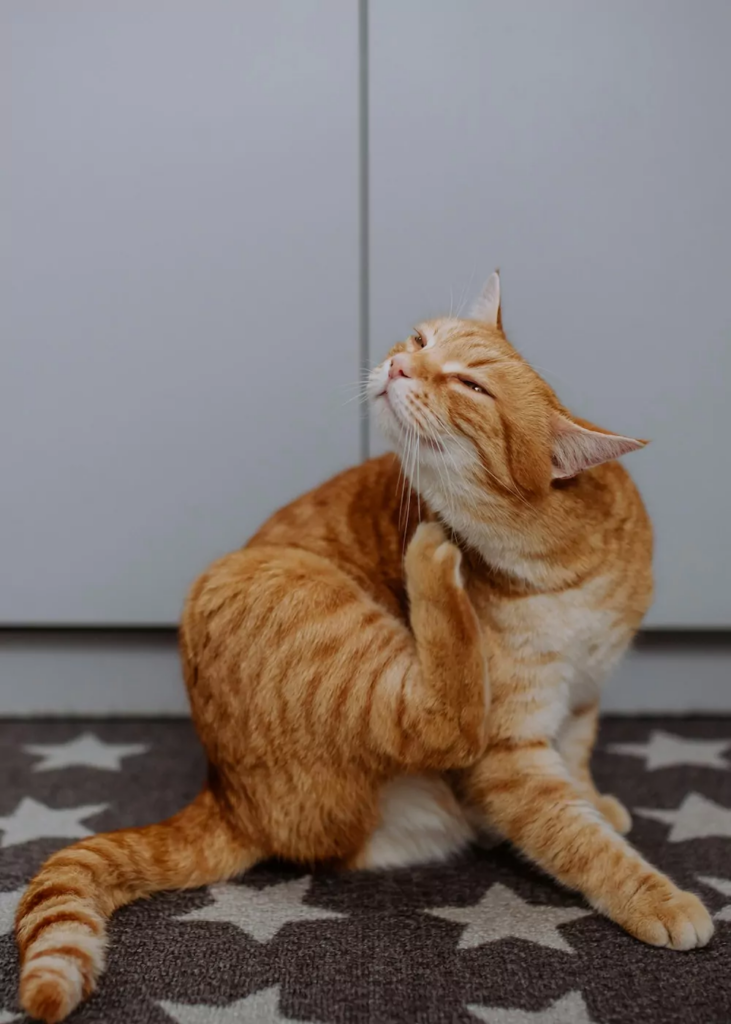
If your cat has bald patches or sores on its skin, it might be dealing with an allergy or a parasite. But stress can also cause skin problems – if a cat is stressed (for example, due to a move, a new baby in the house, or another pet), it may over-groom and develop bald patches. It’s important to figure out the cause.
4. Playtime: Very Important!
Every cat needs playtime. Cats that spend a lot of time outdoors or live with another cat often get enough playtime. But indoor cats need a bit more stimulation, as a bored cat can become very unhappy. Playing keeps your cat physically and mentally healthy. Provide a variety of toys, such as fishing poles, mice, and puzzle games. A cat tree or scratching barrel is also a must, as cats love to scratch. And make sure to rotate the toys regularly to keep things interesting.
5. Taking Care of an Older Cat
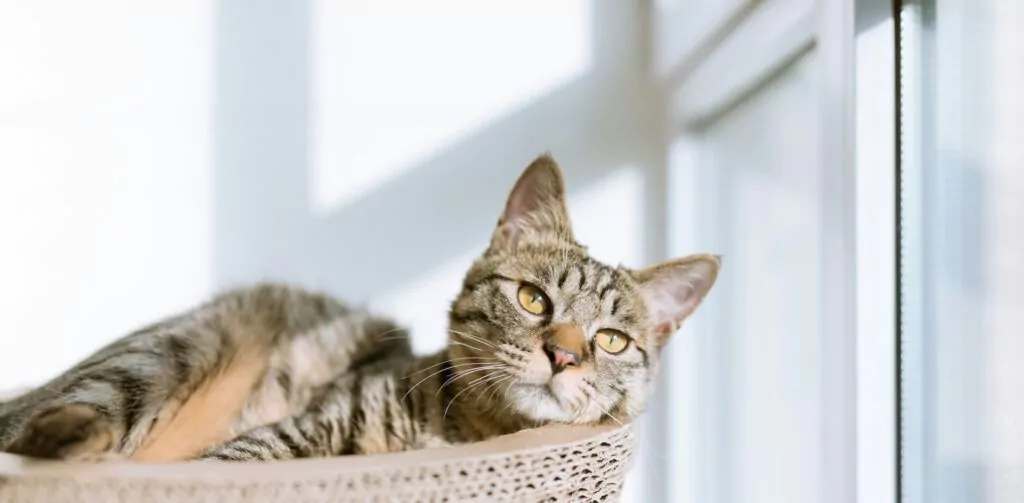
If you’re lucky, your cat won’t have any health problems for a long time. But as your cat gets older, you’ll need to consider that it may need different things. Just like older humans, an older cat can experience:
- Stiff joints
- Slower metabolism
- A greater need for rest and sleep
- Reduced hearing and vision
- Difficulty climbing and jumping
Therefore, always provide warm beds in the house, a scratching post that the cat can easily reach (possibly a cat tree designed for older cats with lower steps or a small ramp), get informed about senior cat food, and visit the vet regularly.
Taking care of your cat means looking beyond just food and grooming. It’s also about love, attention, and a safe, stress-free environment. By carefully observing your cat and giving it what it needs, it will lead a healthy and happy life.
Disclaimer: Petrebels is not a veterinarian or behavior expert: all content, information, and tips on this blog are meant to inspire and are for informational purposes only. If your cat has complaints or problems and you’re uncertain about its health, always visit a vet or a behavior expert.