














There are many stray cats. Some are feral, while others once had a loving home. Here you can read all about stray cats, how to help them, and why a tall cat tree is important if you take a stray cat into your home.
In this blog:
- How to recognize a stray cat?
- What should you do if you encounter a stray cat?
- Can you take a stray cat into your home?
- How to deal with a stray cat?
- Why it’s important to microchip your cat
- Animal shelters are important in the Netherlands
- How to adopt a cat from abroad
- What can you do to help stray cats?
1. How to recognize a stray cat?
Most cats you encounter outside are simply cats with a loving home. These are cats that enjoy adventure, like to roam around the block, or keep an eye on the neighborhood. But how do you know if a cat is a stray and if you should do something? Here are a few helpful tips:
The coat is dirty and/or matted
Stray cats or cats that have lost their home often have an unkempt coat.
Stray cats are hungry and thin
Stray cats often don’t have enough food and are usually too thin and searching for food.
They look for warm and safe places
Stray cats often feel unsafe on the streets and look for sheltered and warm places to sleep.
Stray cats are either afraid of people or very affectionate
Some stray cats are afraid of people because they don’t trust them. But others are very affectionate and will follow you because they miss having a home.
They don’t have a collar or microchip
Stray cats that have been on the streets for a long time usually don’t have a collar and are not microchipped. Cats that have lost their homes often have a microchip. Always call the Animal Ambulance, as they can check with a special device to see if the cat is microchipped and take action. The cat will either be returned home or taken to a safe shelter if it has no home.
Make sure you always have a clean litter box with the best litter ready when you take a stray cat into your home!

2. What should you do if you encounter a stray cat?
If you come across a cat and think it is lost or a stray, you can help by doing the following:
- Keep an eye on the cat: Observe how the cat behaves. Does it look sick or injured? If so, immediate help is needed, and you should call the animal ambulance or 144 (Save a Pet).
- Provide food and water: This will help gain the cat’s trust and ensure it doesn’t go hungry or thirsty.
- Check if the cat is microchipped: Contact the Animal Ambulance or a veterinarian to check if the cat is microchipped. This will immediately tell you if the cat has a home or needs to be brought to a shelter.
- Ask around in the neighborhood: Cats can get lost too. They might wander off when they are very young or old, or if the owners have just moved. By asking around, you can quickly find out if the cat is from the area.
- Provide a safe place: Bring the cat inside – into your home, shed, or garage – until help arrives.
3. Can you take a stray cat into your home?
Cats are very sweet, and it’s naturally upsetting to see them lost or too thin. Taking a stray cat home is often tempting. Are you planning to do this? First, call the Animal Ambulance and have them check if the cat is microchipped and thus has an owner. Also, take the cat to the vet, as a stray cat may be underfed, pregnant, or (infectiously) sick. The latter is especially important if you have other cats in the house.
Do you want to keep the stray cat? That’s great, because every cat deserves a loving home. Here, you can learn what it costs to care for a cat. And to prevent you from ever losing the cat and to show that it belongs to you: have the cat microchipped at your vet!
4. How to deal with a stray cat?
If you adopt or bring a cat into your home that has been a stray for a long time, it often goes very well. However, sometimes the cat needs to adjust to the new situation. Here’s what you can do:
- Give the cat time to adjust: Provide a safe, private space with a nice scratching post where it can quietly get used to its new environment. If it wants contact or affection, it will come to you on its own.
- Use food as motivation: Cats love food. So, tasty food or cat treats can help gain its trust.
- Stay calm and patient: A cat that is not used to human contact or one that has been mistreated may be shy or not fully trust you. It can take weeks or even months for the cat to feel comfortable with you. Give the stray cat that time, don’t force yourself on it, and let it decide if it wants to come to you. And nine times out of ten, after a while, you’ll have a cat that feels completely comfortable with you.
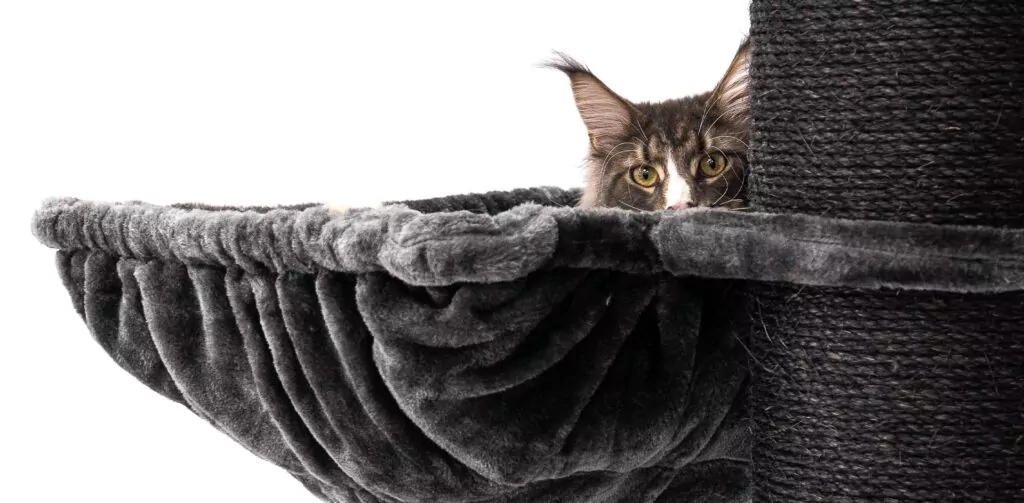
Cats feel safe in high places. Is your cat scared? Consider buying a cat tree with cozy sleeping spots, as this will give it a safe and warm place to adjust.
5. Why it’s important to microchip your cat
Any cat can get lost, follow someone, or lose its way. If these cats are not microchipped, they are often not found by their owners. Do you have cats and want to prevent losing them? Always make sure your cats are microchipped. This also applies to indoor cats, as they can escape and get lost as well.
By microchipping and registering your own cat, you greatly reduce the chance of it ending up as a sad stray. The Animal Ambulance or a veterinarian can scan the chip and safely return it to you!
6. Animal shelters are essential in the Netherlands
Animal shelters, animal rescue centers, and adoption agencies also play an important role in the care and rescue of stray cats. When a cat is found or surrendered by its owner, it is taken in at these facilities, where they search for a new, loving home for the cat. The cats are given a second chance at a happy life.
Are you looking for a cat? Consider adopting a stray cat. This way, you give it a chance at a great life and make room for other cats who need help.
7. How to adopt a stray cat from abroad?
There are also adoption agencies and shelters that take in stray cats from abroad – from countries like Spain or Greece – and bring them to the Netherlands. These stray cats often had a difficult life on the streets and deserve a warm, loving home. Are you considering adopting a cat from abroad? Make sure to get well-informed by the organization and ask for advice from your veterinarian.

8. What can you do to help stray cats?
Every cat deserves a good life and a safe home. Do you also want to do something good for stray cats? Here are 6 useful ideas:
- Adopt a stray cat from a shelter or through an adoption agency. This gives a cat a second chance at a loving home.
- Donate to charities that help, care for, or shelter stray cats. You can donate money, but also items such as litter boxes, food, or warm blankets.
- Volunteer at a shelter or rescue center. You can help care for the cats, clean the cages, or assist shy cats in getting used to people.
- Have your own cat microchipped and spayed/neutered. This prevents your cat from ending up as a stray on the streets and stops it from breeding.
- Talk to friends and family about the importance of microchipping and sterilizing cats. Does someone you know want a cat? Tell them that many wonderful cats are waiting for a new owner in shelters.
- Collect donations for charities, such as the Animal Protection or Foundation Dierenlot. Or organize your own fundraising event for a shelter or adoption agency in your area. Every little bit helps!
Together, we make a difference!
Whether you give a stray cat a new chance or tell your neighbors where they can donate or collect: everything you do counts. Stray cats also deserve a good life, which is why we regularly donate scratching posts to good causes. Because every cat deserves a nice place to scratch, play, and sleep!
Disclaimer: Petrebels is not a veterinarian or behavior expert: all content, information, and tips on this blog are meant to inspire you and are for informational purposes. If your cat has symptoms or problems and you are unsure about its health, always consult a veterinarian or behavior expert.