








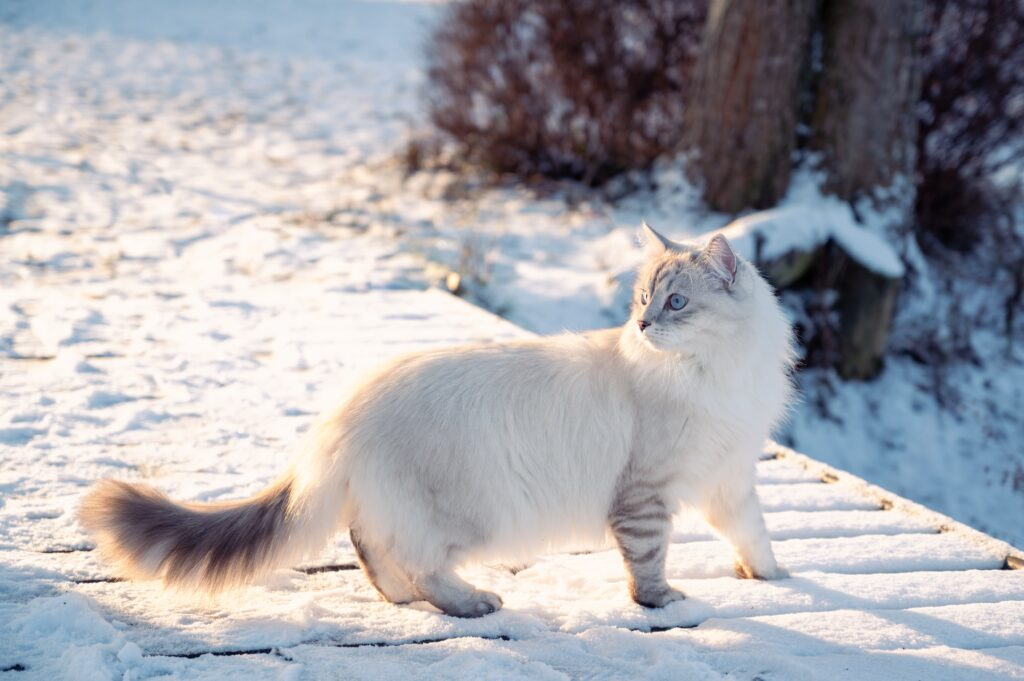
The Neva Masquerade is a breed that originated from a cross between a Siamese and a Siberian Forest cat. It is a breed with an incredibly sweet personality and a beautiful, thick coat with lovely markings. Discover everything about this unique cat breed here!
In this blog:
- The origin of the Neva Masquerade
- The personality of a Neva Masquerade
- The appearance and coat of a Neva Masquerade
- The health of a Neva Masquerade
- How old does a Neva Masquerade live?
- The care of a Neva Masquerade
- How much does a Neva Masquerade cost?
1. The origin of the Neva Masquerade
The cat breed Neva Masquerade originates from Russia and owes the first part of its name to the Neva River in Saint Petersburg – where this cat was first bred. The second part of the name – Masquerade – was chosen because these cats have a mask-like pattern around their eyes.
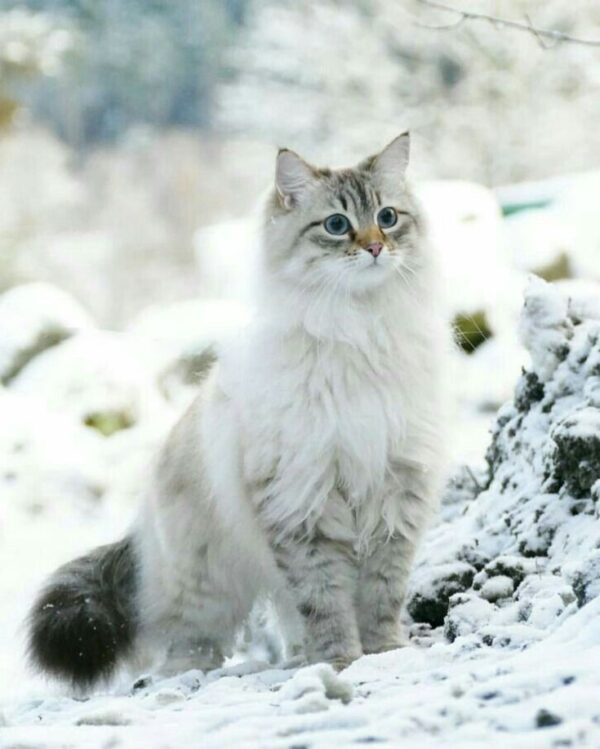
The breed did not arise naturally but is a cross between a Siamese and a Siberian cat. As a result, their coat features the beautiful ‘pointed’ pattern of a Siamese and the length and thickness of a Siberian cat. Have you never heard of this cat breed before? That’s not surprising, as the Neva Masquerade was only recognized as an official breed in 2009.
2. The character of the Neva Masquerade
A Neva Masquerade is affectionate, calm, and very social. They strongly bond with ‘their people’, a trait inherited from their Siamese ancestors. Additionally, these cats are curious, playful, and intelligent. They are also very friendly and gentle, which is advantageous if you have a cat in a household with (young) children.
Despite their calm demeanor, Neva Masquerades do require stimulation. Regular playtime, teaching them to fetch, and learning tricks are important.
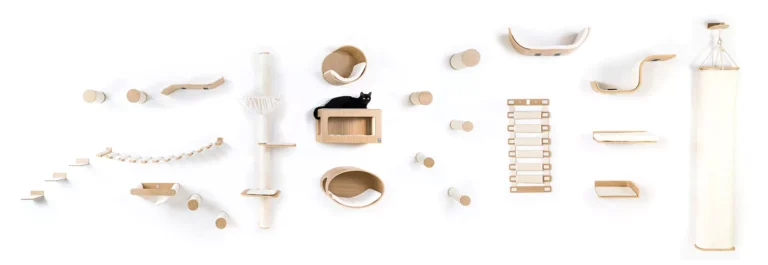
Neva Masquerade cats also need a suitable cat tree for large cats to climb and scratch on.
Fun fact! Neva Masquerade cats make cute sounds: they can purr loudly and chirp in a unique way!
3. The appearance and coat of the Neva Masquerade
A Neva Masquerade shares many similarities with a Siberian cat, especially in terms of size. So, how large does a Neva Masquerade get? Well, quite big – males can weigh between 4.5 and 9 kilograms. Females are slightly smaller, weighing up to 4 to 6 kilograms. They reach full size around three years old.
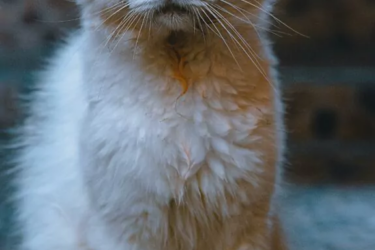
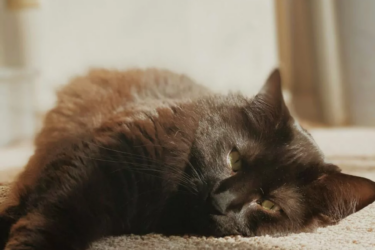
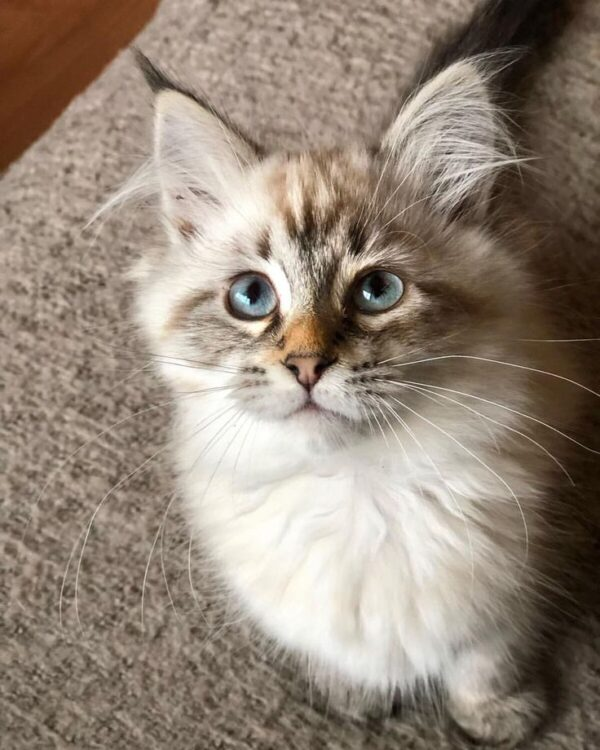
The coat of a Neva Masquerade also resembles that of a Siberian cat. The color may differ, but the rest is nearly identical. The coat of this cat breed is semi-long, water-resistant, and robust. The undercoat is soft and thick but sheds heavily in warmer months. Neva Masquerades have a beautiful collar, tufts on their large ears, and striking blue eyes. Their head is round, their tail of normal length but luxuriously fluffy, and their build muscular. So, not only is it a beautiful cat, but also a strong one.
4. The health of a Neva Masquerade
Pedigree cats are bred for unique characteristics. The Neva Masquerade also possesses distinctive traits, such as:
- Large and heavy build
- Semi-long and water-resistant coat
- Rounded head
Do you think a Neva Masquerade cat suits you? Conduct thorough research into the health of this breed. Many pedigree cats are prone to hereditary conditions. Although Neva Masquerades are rare and generally very robust and healthy.
If you’re looking to bring a healthy cat into your home, seek advice from a veterinarian. You can also consult websites like Dier & Recht and the Netherlands Food and Consumer Product Safety Authority for information on the breed’s health, regulations for breeders, and whether they are permitted.
Always purchase a Neva Masquerade cat from a reputable breeder, preferably affiliated with a breed association. This ensures the cat is healthy and well-cared for. Additionally, ask the breeder for a health certificate or guarantee for added assurance.
5. How old does a Neva Masquerade get?
This cat breed typically lives between 12 and 16 years old on average. That’s assuming you buy from a reputable breeder, take good care of the cat, and regularly visit the veterinarian.
6. The care of the Neva Masquerade
The coat of Neva Masquerade cats is thick and long. Therefore, it’s important to brush them regularly – think about once or twice a week. This helps prevent matting and tangling of the fur. Neva Masquerades also have a tendency to gain weight, so it’s essential to play with them regularly and ensure they receive proper nutrition.
In addition to these specifics, caring for a Neva Masquerade is similar to caring for any other cat, which includes:
- Loving treatment
- Sufficient attention
- A safe home environment
- Fresh water daily (multiple bowls)
- Appropriate cat food for the breed
- Clean litter boxes with good litter
- Comfortable sleeping beds or baskets
- Variety of cat toys
- Tall cat tree with large resting spots
- Treatment against parasites like worms and fleas
- Regular vet check-ups
- Vaccinations against diseases
Discover here what the approximate cost of caring for a cat entail
7. How much does a Neva Masquerade kitten cost?
If you want to buy a Neva Masquerade, visit a reputable breeder, preferably affiliated with a breed association. This ensures you are purchasing a healthy, well-socialized cat bred in a humane manner. Always ask for papers, a health certificate, and inspect the kitten’s parents. Also, take a look at their living conditions: is it clean and home-like, and are the parents present? These are good indicators. Avoid buying cats from platforms like Marktplaats, eBay, or from puppy mills.
A Neva Masquerade from a good breeder costs around 700 euros. If you’re looking for a cat but it doesn’t have to be a pedigree, consider checking shelters or adoption agencies. Many loving cats are waiting for a nice home there.
And remember: you’re getting a cat not just for a short while, but for its entire life. Are you willing to take good care of the animal and set aside money for its care and vet visits? If so, a Neva Masquerade cat could become your new best friend!
Also, meet the lovely Selkirk Rex
Disclaimer: Petrebels is not a veterinarian or behavior specialist. All content, information, and tips on this blog are intended to inspire and have an informational nature. If your cat has health issues or problems, and you are uncertain about your cat’s well-being, always consult a veterinarian or behavior specialist.