












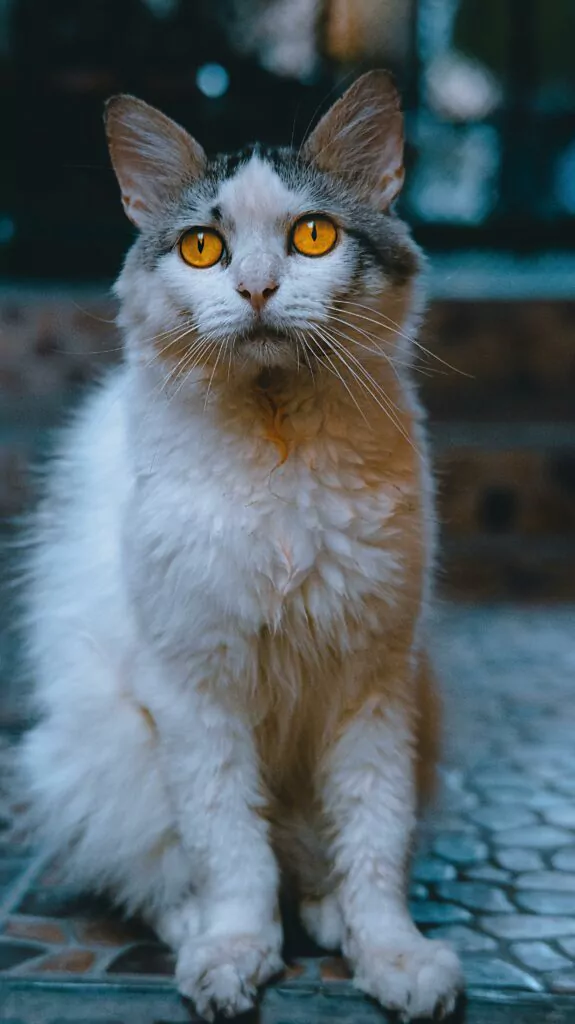
- The LaPerm cat has a unique curly coat and an affectionate nature, forming a deep bond with people.
- Discovered in the 1980s on a farm in Oregon, USA, the LaPerm is recognized by cat breed associations and exhibits various coat colors and patterns.
- LaPerms are medium-sized, slender cats with wedge-shaped heads, large eyes, and often fluffy ears.
- Care involves regular brushing, a balanced diet, and routine check-ups; they are healthy and good with children and other pets.
Are you a cat lover looking for a unique and charming pet? Meet the LaPerm cat! This rare breed is known for its striking curly coat and playful personality. In this blog, we dive deep into the world of the LaPerm and discover everything you need to know about this special cat breed.
You will learn about the history, physical characteristics, care, and temperament of the LaPerm. We also discuss why this cat can be a great addition to your household and provide practical care tips.
What is a LaPerm cat?
The LaPerm is a unique breed belonging to the rex group of cats. The LaPerm is known for its curly coat, which feels soft as silk. These cats are not only beautiful but also friendly and affectionate. LaPerms are known to form a deep bond with their human companions and enjoy interaction.
History of the LaPerm
The LaPerm was first discovered on a farm in Oregon, USA, in the 1980s. A farmer named Linda Koehl found a kitten with a curly coat among her farm cats. She named the kitten ‘Curly’ and decided to keep it. This was the beginning of the LaPerm.
Breeders began selectively breeding these cats to retain the unique curly coat. Over the years, the LaPerm gained recognition from various cat breed associations, including The International Cat Association (TICA).
Characteristics of the LaPerm
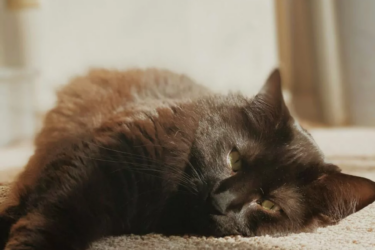
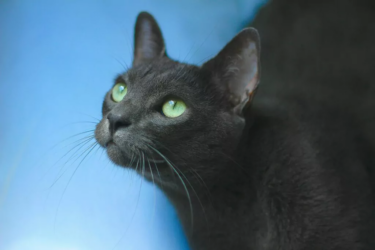
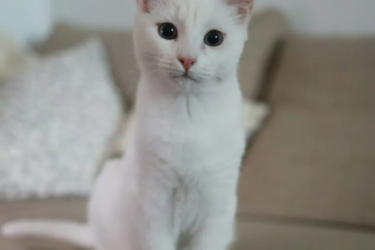
LaPerms are medium-sized cats with a slender but muscular build. They have wedge-shaped heads with prominent whiskers and large, expressive eyes. Their ears are medium to large and often covered with fluffy hair.
Coat Color and Pattern Varieties
The coat of the LaPerm can range from short to medium length but is always curly or wavy. The colors and patterns are highly diverse, including solid colors, tabby patterns, and more. In fact, almost all coat colors and patterns are possible with the LaPerm, making each cat unique.
Character Traits
LaPerms are known for their curious and playful nature. They are social and enjoy interacting with their human companions. These cats are generally good with children and other pets, making them excellent family members. Their affectionate and friendly nature makes them beloved by many cat enthusiasts.
Origin of the LaPerm
As mentioned earlier, the LaPerm was first discovered on a farm in Oregon. The first LaPerm, named Curly, was born with a fully curly coat, which was very unusual at the time. This unique feature caught the attention of breeders and led to the development of an entirely new breed.
Since the discovery of Curly, the LaPerm has gained much recognition from cat breed associations worldwide. Breeding programs have helped standardize the breed’s characteristics, contributing to the LaPerm’s popularity in various parts of the world.
Care and Health for LaPerm Cats
Coat Care: Despite their curly coat, LaPerms require less grooming than you might think. Regular brushing, about twice a week, helps keep the coat free of tangles and maintains the curls in good condition. Use soft brushes to avoid damaging the delicate curls. Nail trimming and teeth brushing are also essential for their overall health.
Nutrition: A balanced diet is crucial for the health of a LaPerm. Food rich in proteins and essential fatty acids is recommended. Consider a mix of high-quality wet and dry food to meet their nutritional needs. Ensure fresh water is always available.
Health: LaPerms are generally healthy cats, but like all breeds, it’s important to be vigilant about health issues. Regular vet visits help in early detection and prevention of diseases. Standard vaccinations and parasite prevention are essential to keep your LaPerm healthy.
Summary of Needs: Now that we have a clear understanding of the distinctive features, loving nature, and care needs of the LaPerm, it’s time to list what this special cat requires. This will help you be well-prepared and provide your LaPerm with the best life possible.
Essentials:
- A safe and clean home
- A warm sleeping spot, such as a cat tree or bed
- Good nutrition tailored for the LaPerm
- Fresh water daily
- Parasite protection (worms, fleas, and ticks)
- Love, attention, and playtime
- Care during illness
- A reliable pet sitter during vacations
- Clean litter boxes with quality litter
- Fun and challenging cat toys
- Regular veterinary visits
Lifestyle and Interaction with the LaPerm
LaPerms are active cats who love to play and explore. They enjoy participating in daily activities and can often learn tricks or play interactive games. This makes them not only great family members but also excellent companions for individual owners.
LaPerms are generally good with children and other pets. They can adapt well to various living conditions as long as they receive enough attention and stimulation. Their playful and patient nature makes them ideal for families with young children.
What to Expect When Owning a LaPerm?
These cats are energetic and curious, meaning they love to play and explore. They are often near their owners and enjoy participating in daily activities. Their affectionate nature means they love to cuddle and stay close to their humans.
Famous LaPerm Cats
There are several famous LaPerms in the cat world. Some of these cats have won awards at cat shows, while others have become well-known through social media. These famous LaPerms have contributed to the breed’s popularity and showcase how unique and charming these cats can be.
Future of the LaPerm
There are ongoing efforts to maintain the genetic diversity and health of the LaPerm. Breeding programs play a crucial role in promoting and protecting the breed. Through responsible breeding practices, we can ensure that the LaPerm remains healthy and strong.
Enthusiasts can contribute to the preservation of the LaPerm by participating in breeding programs, joining breed associations, and raising awareness about this unique breed. Every contribution, no matter how small, helps in preserving the LaPerm for future generations.
The LaPerm is a unique and charming breed known for its curly coat and friendly nature. With the right care and attention, LaPerms can be fantastic pets for a wide range of households.
LaPerm Cat in a Nutshell
Origin: Discovered on a farm in Oregon, USA, in the 1980s.
Color and Pattern: Curly coat in various colors and patterns, making each cat unique.
Physical Characteristics: Medium-sized with a slender, muscular build, wedge-shaped head, large expressive eyes, and fluffy ears.
Temperament: Affectionate, curious, playful, and social. Forms strong bonds with people quickly.
Life Expectancy: Generally long-lived and healthy.
Ideal Environment: Suitable for families, singles, and couples, adaptable to various living conditions.
Care: Regular brushing (about twice a week) to prevent mats; healthy diet and regular veterinary check-ups.
Health: Generally healthy, no specific genetic health problems known.
Social Behavior: Excellent with children and other pets; enjoys interaction and participating in daily activities.
Special Features: Known for its curly coat, sheds less than other breeds, energetic and curious.
Future: Breeding programs protect and promote genetic diversity and health.
Frequently Asked Questions about LaPerm
What is the origin of the LaPerm?
The LaPerm originates from Oregon, USA, discovered in the 1980s. This unique breed was first found on a farm and has since become a recognized breed.
How much grooming does the coat require?
Regular brushing, about twice a week, is sufficient to prevent mats and keep the coat in good condition. Despite their curly coat, LaPerms shed less than most other cat breeds.
Are LaPerms suitable for families?
Yes, LaPerms are friendly, playful, good with children and other pets. Their affectionate and social nature makes them ideal for families, and they adapt well to different living conditions.
Return to the versatile Domestic Cat and its characteristics
Disclaimer: Petrebels is not a veterinarian or behavior expert: all content, information, and tips on this blog are intended to inspire and are for informational purposes only. If your cat has symptoms or problems and you are uncertain about your cat’s health, always consult a veterinarian or behavior expert.