











- The Korat cat is native to Thailand and was mentioned as early as the 14th century. They are known as bringers of good luck and prosperity in Thai culture.
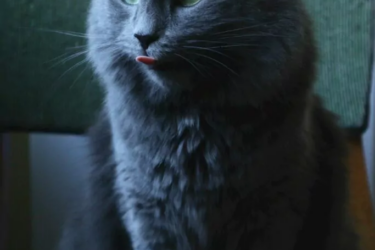
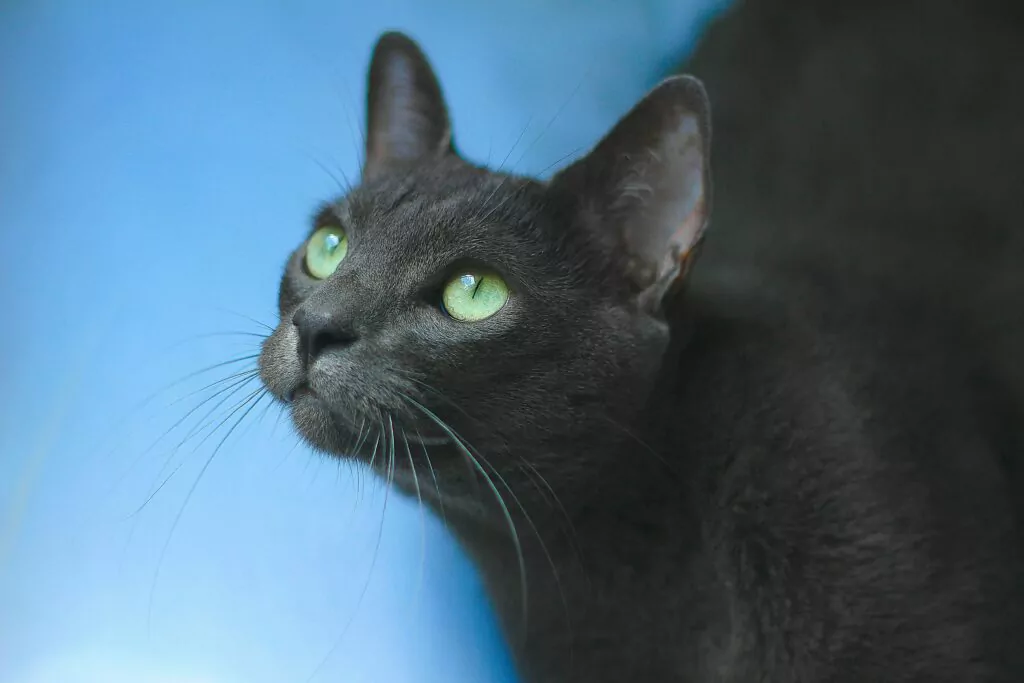
- Korat cats have shiny silver-blue fur, large emerald eyes, and a medium-sized, muscular body. They have a unique appearance and longevity.
- Korat cats are intelligent, affectionate, playful, and social. They adapt well to different situations and get along well with children and other pets.
- The care of a Korat includes a balanced diet, weekly coat care, and regular medical checkups. They are generally healthy but can be prone to genetic disorders.
The Korat cat is one of the oldest and most fascinating cat breeds in the world. Known for its elegant appearance and enchanting eyes, the Korat holds a special place in the hearts of cat lovers worldwide. This article takes you on a journey through the history, physical characteristics, temperament, and care of this special cat. Whether you are a seasoned cat lover or just curious about this breed, here you will find everything you need to know about the Korat cat.
History of the Korat Cat
The Korat cat originates from Thailand, where they are known as “Si-Sawat.” This breed has been valued for centuries and is often seen as a bringer of luck and prosperity. The first mention of the Korat dates back to around the 14th century in the ancient Thai book, the “Cat-Book Poems.”
Historical and Cultural Significance
In Thai culture, Korat cats are considered sacred. They are often given as gifts to bring good luck, especially at weddings and important events. The bright blue coat and emerald green eyes of the Korat are seen as symbols of wealth and abundance.
International Spread and Recognition
It was not until the 1950s that the Korat became known outside of Thailand. They were first introduced in the United States and Europe, where they quickly gained popularity. Today, they are recognized by all major cat associations worldwide, including the Cat Fanciers’ Association (CFA) and The International Cat Association (TICA).
Physical characteristics
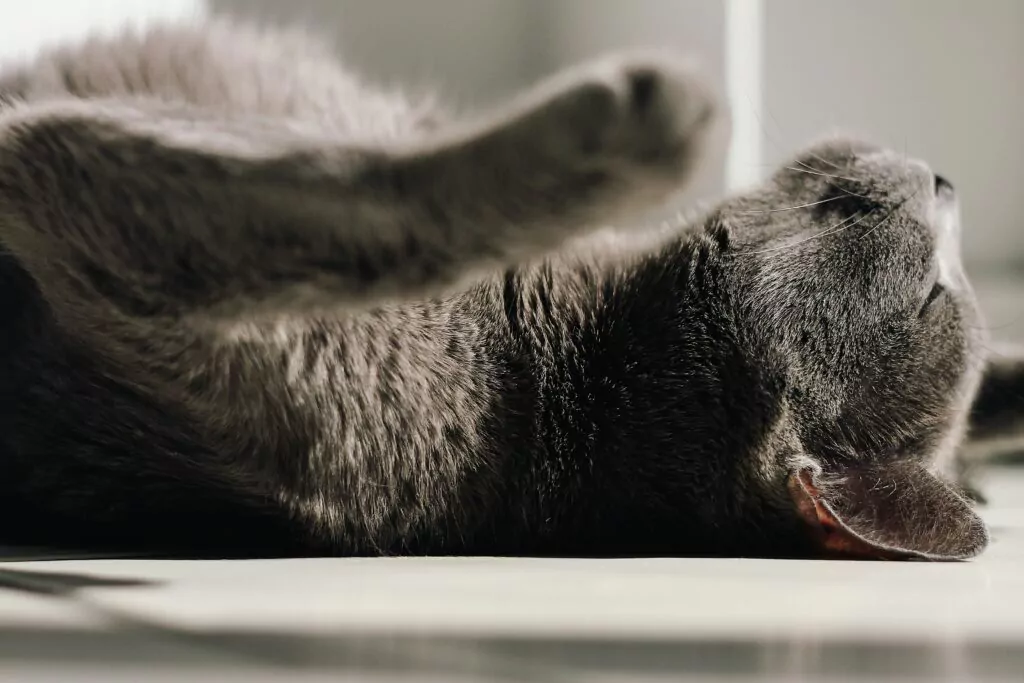
Appearance and Coat Color: The Korat cat has a striking appearance with a glossy, silver-blue coat that almost seems to glow. Their fur is soft and dense, with a distinctive silver sheen that gives them a unique look. BEAUTIFUL.
Eye Color and Build: What truly sets the Korat apart are their large, sparkling emerald green eyes that radiate curiosity and intelligence. They have a medium-sized, muscular body that exudes strength and grace. Their heart-shaped face and large ears add to their expressive appearance.
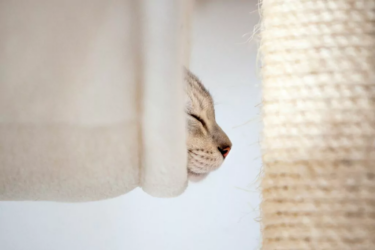
Unique Features: The Korat possesses several unique physical characteristics that distinguish them from other cat breeds. Besides their striking coat and eyes, they have a relatively long lifespan and often remain active and playful well into old age. This endears them to many cat lovers. Having a scratching post is important for the health and well-being of a Korat cat. Additionally, using a cat tree encourages your Korat’s movement and activity, contributing to a healthy lifestyle and a long, happy life.
Character and temperament
The Korat is known for its intelligent and affectionate nature. They are very playful, curious, and often form strong bonds with their owners. Korats are known to enjoy being involved in the daily activities of their household members.
Korats are very social and enjoy interacting with people. They get along well with children and other pets if properly introduced. Their playful and gentle nature makes them excellent companions.
Korats adapt well to different situations, whether they are alone at home or in a busy household. They are generally quiet and use soft sounds to communicate. This makes them suitable for both apartments and houses.
Caring for the korat cat
A balanced diet is essential for the health of the Korat cat. It is recommended to provide high-quality food, rich in proteins and free from artificial additives. Ensure they have access to fresh water and feed them their meals regularly.
The short coat of the Korat requires minimal grooming. Weekly brushing keeps the coat shiny and healthy and helps reduce loose hairs. Regular checks for parasites and the use of appropriate grooming products contribute to their well-being.
Although the Korat is generally a healthy breed, they can be susceptible to certain genetic disorders. Regular veterinary visits, vaccinations, and dental care are important to ensure their health. Early detection of any issues can prevent serious health problems.
In addition to diet and coat care, it is important to regularly trim your Korat’s nails and keep their ears clean. This contributes to their overall health and well-being. Also, ensure they receive sufficient mental and physical stimulation to prevent boredom.
Korat as a Pet
The Korat is a great choice for families, singles, and couples alike. They adapt well to various living conditions and enjoy the presence of their human companions. Their social and playful nature makes them ideal pets for anyone seeking an active and affectionate cat.
When introducing a new Korat into your home, it’s important to let them adjust slowly to their new environment. Give them time to acclimate and provide a safe and comfortable space where they can retreat. Patience and positive reinforcement help facilitate a smooth transition.
Korats are active and curious cats that love to play and explore. Provide plenty of toys and climbing opportunities to help them expend their energy. Regular play sessions and interaction with their owners contribute to their happiness and well-being.
Like any cat, a Korat requires good care. Besides attention, a scratching post, and occasional brushing, caring for a Korat includes:
- Ensure a safe living environment free of hazards for your cat.
- A comfortable cat tree with hammocks or a cozy scratching barrel is ideal.
- Provide nutrition suitable for the breed’s specific needs, rich in proteins and nutrients.
- Provide multiple bowls of fresh water every day.
- Regular treatment for worms, fleas, and ticks.
- Allocate daily time for play and cuddling.
- Consider getting a second cat for companionship.
- Be prepared for medical care if your Korat falls ill.
- Arrange a reliable pet sitter if you go on vacation.
- Keep litter boxes clean with good-quality litter.
- Provide fun and stimulating toys to prevent boredom.
- Schedule regular vet check-ups to ensure your cat’s health.
Considering a cat? Prepare well and discover the costs involved!
Korat in a Nutshell
- Origin: Thailand, with first records in the 14th century.
- Coat Colors: Bright blue coat with a silver sheen.
- Eye Color: Large, emerald green eyes.
- Character: Intelligent, affectionate, playful, and curious.
- Average Lifespan: Long-lived and often remains active into old age.
- Best Environments: Suitable for families, singles, and couples; does well in both apartments and houses.
- Care: Minimal grooming required; weekly brushing is usually sufficient.
- Health: Generally healthy, but susceptible to certain genetic conditions.
- Social Behavior: Highly social; gets along well with children and other pets.
- Daily Needs: Regular high-quality nutrition, medical care, and plenty of mental and physical stimulation.
Read more about the friendly Burmilla cat
Disclaimer: Petrebels is not a veterinarian or behavior expert: all content, information, and tips on this blog are intended to inspire and are for informational purposes only. If your cat has symptoms or problems and you are unsure about your cat’s health, always consult a veterinarian or behavior expert.