












You can recognize a Selkirk Rex immediately. This breed of cat has a unique coat: it is wonderfully curly. This breed is relatively new and unknown. Unjustly, because it’s a super cute breed. That’s why we’re sharing everything about it here!
In this blog:
- Where does the Selkirk Rex come from?
- The personality of a Selkirk Rex
- What does a Selkirk Rex look like: appearance and coat
- The health of a Selkirk Rex
- How old does a Selkirk Rex live?
- The care of a Selkirk Rex
- Buying a Selkirk Rex (kitten)
1. Where does the Selkirk Rex come from?
In Montana (USA), in 1987, a litter of ordinary house cats was born. They all looked very ordinary, except for one kitten. Miss DePesto, a cat with a coat full of beautiful curls. She owed this coat to her parents. Although her parents had normal coats, they carried a special gene which they passed on to the kitten, resulting in this unique coat.
This special appearance, of course, caught the attention of breeders who decided to continue breeding the breed. But it had to be a better and healthier version. Therefore, they crossed the breed with other breeds, such as the Exotic Shorthair, Himalayan, British Shorthair, and Persian. And from this, the Selkirk Rex was born – a cat breed that was officially recognized by TICA in 1992 and later by CFA.
Looking for a beautiful cat tree? Check out these beautiful designer cat tree!
2. The personality of the Selkirk Rex
Are you looking for a calm family cat? Then the Selkirk Rex would be a great fit for you. This cat is very relaxed, gets along well with children, and loves to cuddle and play. Furthermore, they are very fond of their owners and can easily adapt to living in a house or apartment. And being lifted up is also fine with this breed of cat. Handy, because everyone who sees these cats wants to cuddle them and feel how their unique coat feels.
Fun fact: The Selkirk Rex cat loves to be picked up!
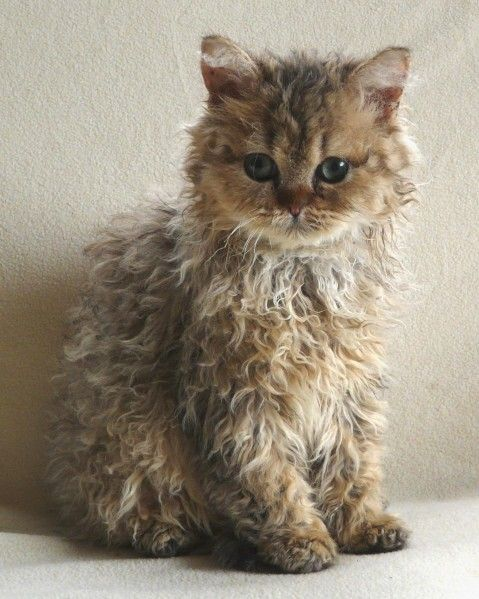
3. What does a Selkirk Rex cat look like: appearance and coat
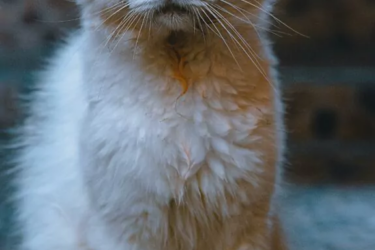
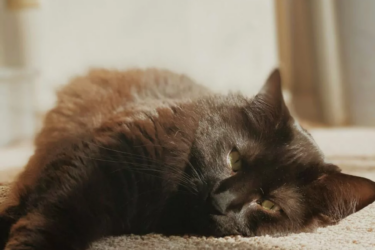
You can immediately recognize a Selkirk Rex by its coat – it is either short or long and has a curly texture. This includes their whiskers, the hairs on their ears, and their eyelashes. The coat of these cats can come in all colors according to breed standards, but pure solid colors are preferred. A white chest (bib) is also allowed.
These cats are generally medium-sized and muscular. Their tail is long, their head is broad and round, and their cheeks are pleasantly full. The ears of the Selkirk Rex are medium-sized but are set wider apart compared to an ordinary cat. The eyes of this breed can be any color and generally match the color of the coat.
4. The health of a Selkirk Rex
Pedigree cats are bred for unique characteristics. The Selkirk Rex also has traits that make it special, such as:
- Short or long coat with curls
- Medium size
- Ears set wide apart
Do you think a Selkirk Rex is a good fit for you? Then it’s likely that you’ll be bringing a happy cat into your home. Because Selkirk Rex cats are generally very healthy.
If you want to bring a healthy cat into your home, ask for advice from a veterinarian. You can also consult the websites of Dier & Recht and the Netherlands Food and Consumer Product Safety Authority, where you’ll find information on the health of the breed, whether it is allowed, and what rules apply to breeders.
Always buy a Selkirk Rex from a reputable breeder, preferably one affiliated with a breed association. This ensures that the cat is healthy and well cared for. Also, ask the breeder for a health certificate or guarantee for extra assurance.
5. How long does a Selkirk Rex live?
A Selkirk Rex cat can live between ten to fifteen years if well cared for. It is important to take the cat to the vet regularly for check-ups and provide good nutrition.
6. The care of the Selkirk Rex
A Selkirk Rex cat requires good care, just like any other cat. The coat, in particular, needs extra attention. It is curly and has a thick undercoat in which mats and tangles can quickly form. A long-haired Selkirk Rex should be brushed daily with a wide-tooth comb or brush. The coat of a short-haired Selkirk Rex requires less care – it should be brushed once a week. The diet of this breed is also important. Because it is a fairly robust breed, it can easily develop joint problems. However, this can be prevented by giving the cat the right food and making sure it doesn’t become overweight.
Additionally, a Selkirk Rex should be cared for like any other cat with:
- Love and attention
- A safe home
- Regular visits to the vet
- Good nutrition
- A cat tree suitable for the breed
- Comfortable sleeping spots
- A clean litter box with good litter
- Healthy food and fresh water every day
- Vaccinations and protection against parasites, such as fleas, worms, and ticks
Discover here what the approximate cost of caring for a cat entails
7. Buying a Selkirk Rex (kitten)
Do you want to buy a Selkirk Rex cat? Then go to a certified breeder, preferably one affiliated with a breed association. This way, you can be sure you’re purchasing a healthy, well-socialized cat that has been bred in a humane manner. Always ask for the papers, a health certificate, and check the kitten’s parents. Also, take a look at their living conditions: is it clean and homely, and are the parents present? This is a good sign. Avoid buying cats from platforms like Marktplaats, eBay, or puppy mills.
A Selkirk Rex from a good breeder costs around 1000 euros. If you’re looking for a cat but it doesn’t have to be a pedigree, consider checking shelters or adoption agencies. Many loving cats are waiting for a nice home there.
And remember: you’re not getting a cat for a short time, but for its entire life. Are you willing to take good care of the animal and set aside money for its care and vet visits? If so, a Selkirk Rex could become your new best friend!
Read more about the graceful and gentle British Longhair
Disclaimer: Petrebels is not a veterinarian or a behavior expert. All the content, information, and tips on this blog are intended to inspire and have an informational character. If your cat has health problems or issues, and you are unsure about their health, always consult with a veterinarian or a behavior specialist.