












In this blog:
- Where does the Bombay cat come from?
- The personality of a Bombay
- What does a Bombay cat look like: appearance and coat
- The health of a Bombay
- How long does a Bombay live?
- Caring for a Bombay
- Buying a Bombay (kitten)
1. Where does the Bombay cat come from?
After several attempts, cat breeder Nikki Horner finally succeeded in breeding a jet-black cat with copper-brown eyes in 1965. She crossed black American Shorthair cats with dark brown Burmese, and a new cat breed emerged that most closely resembles a small black panther. And with a particularly gentle character. The breed was not immediately recognized as an official cat breed. It was only recognized in 1976 by the CFA. About three years later, the International Cat Association also recognized the Bombay.
Are you looking for a suitable scratching post for this breed? These cat tree are designed for playful cats!
However, the breed is still rare and hardly found in Europe. Why? It’s unclear. It certainly can’t be because of its appearance, health, or the extremely friendly nature of this beautiful animal. Maybe it has to do with the color of its coat. Many people are still hesitant to adopt a black cat—black cats are still often associated with bad luck. Which, of course, is absolute nonsense!
2. The personality of the Bombay
As mentioned above, the Bombay has a particularly friendly and gentle nature. This makes it a great family cat. The Bombay loves cuddling, is affectionate, and bonds closely with its family. For these cats, a strong bond with their owners is important, as is their companionship. They prefer to follow their owners all day long and regularly ask for attention. Or they happily jump onto their owner’s lap. Bombays absolutely do not like being alone.
Additionally, the Bombay is intelligent, playful, and active. A scratching post where this cat can burn off its energy is important – so choose carefully and look for one designed for active cats. This cat also enjoys playtime with its owner. Thinking of bringing a Bombay into your home? Keep in mind that you will need to spoil this cat with your undivided attention and (intelligent) games several times a day.
Fun fact: Bombay cats love to seek out warm spots. So always make sure to create a sleeping place near a radiator and provide plenty of soft cat beds and sleep houses in the house.
3. What does a Bombay cat look like: appearance and coat
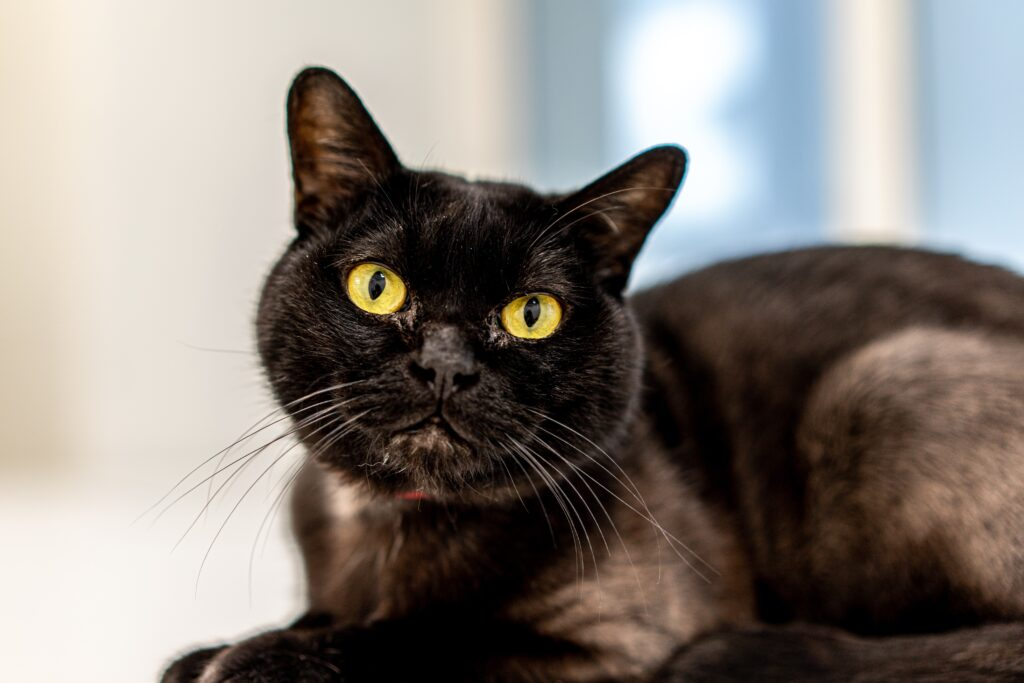
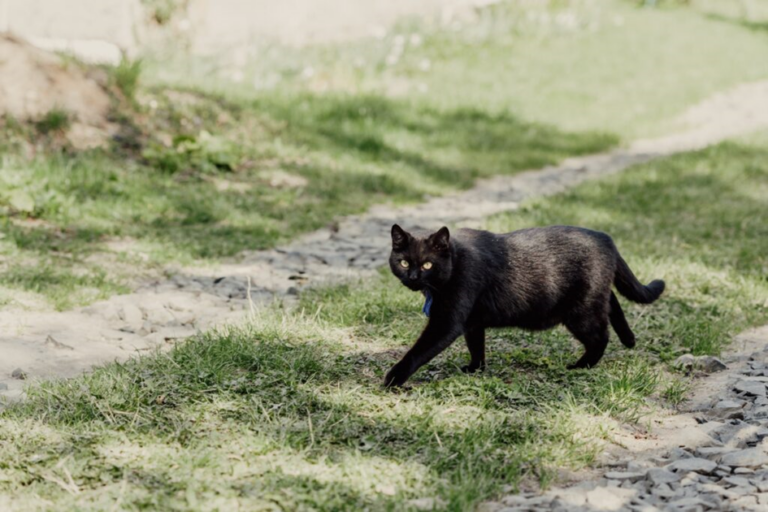
A true Bombay is recognizable by its coat – it is short-haired, healthy, shiny, and completely black. Even the paw pads and skin are black. The eyes, of course, are not – they are copper-brown in color and are large and round. They are set wide apart. The build of a Bombay is normal. Not large, not small, neither particularly slim nor overweight. Their tail is also “normal.” Similar to a healthy domestic cat. The chest is broader, and these cats have muscular shoulders.
The head of the Bombay is normal, with a rounded forehead. The cheeks of this cat are notably fuller, and the muzzle is a bit shorter than that of a domestic cat. The ears are slightly small and set wide apart. Finally, the weight of the Bombay is also average: females weigh around 4 kilograms, and males about 5 kilograms.
4. The health of a Bombay
Purebred cats are bred for unique traits. The Bombay also has characteristics that make it special, such as:
- Short, shiny, always black coat
- Large and round eyes
- Full cheeks
Do you think a Bombay cat is right for you? Then make sure to do thorough research on the health and needs of this breed. In general, the Bombay is very healthy.
Want to bring a healthy cat into your home? Ask a veterinarian for advice. You can also check the websites of Dier & Recht and the Dutch Food and Consumer Product Safety Authority for information about the breed’s health, whether it is permitted, and what rules apply to breeders.
Always buy a Bombay from a reliable breeder, preferably one who is a member of a breed association. That way, you can be sure the cat is healthy and well cared for. Also, ask the breeder for a health certificate or guarantee for extra peace of mind.
5. How long does a Bombay live?
This breed of cat is healthy. Therefore, the life expectancy of a Bombay is quite high. With proper care and a safe home, these cats can live up to 17 to 20 years!
6. Caring for the Bombay
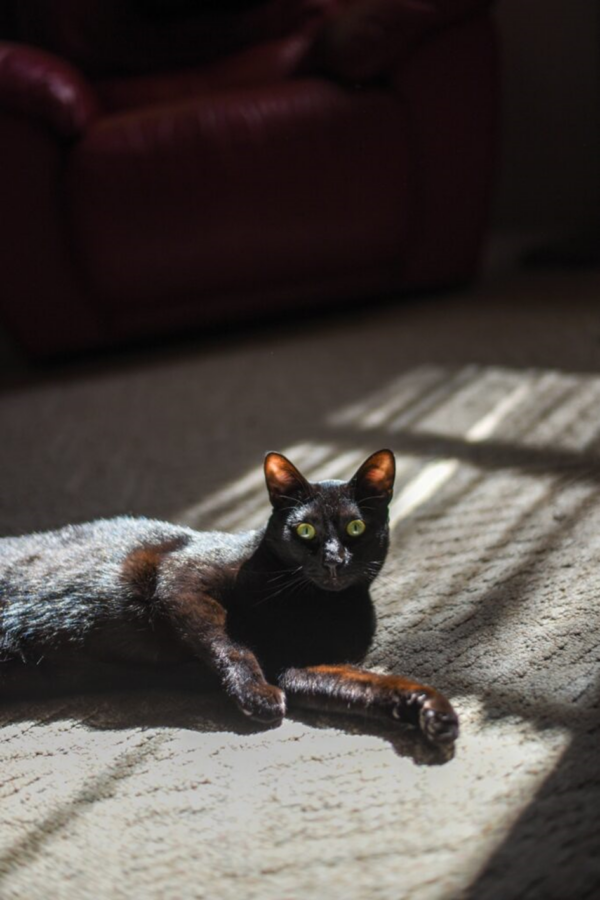
Bombays have an easy coat, and you can keep it looking its best with regular brushing and combing. Since this breed is so smart and active, play is very important. A good, stable cat tree where the cat can safely climb and scratch is also essential.
Every cat needs love, attention, and proper care. The same goes for the Bombay. You do this by being kind to your cat, taking it to the vet for regular check-ups, and providing good food and fresh water. Make sure to provide clean litter boxes with high-quality litter, cozy beds for sleeping, and protection against fleas, ticks, and other parasites.
Discover here what the typical cost of caring for a cat is
7. Buying a Bombay (Kitten)
Want to buy a Bombay? Go to a recognized breeder, preferably one who is a member of a breed association. This way, you can be sure you are getting a healthy, well-socialized cat that has been bred in a humane way. Always ask for the papers, a health certificate, and check the kitten’s parents. Also, take a look at the living conditions: is it clean and homely, and are the parents present? That’s a good sign. Do not buy cats from platforms like Marktplaats, eBay, or from unscrupulous breeders.
A Bombay from a good breeder costs around 1300 euros. Are you looking for a cat, but don’t necessarily need a purebred? Consider checking animal shelters or adoption agencies. Many lovely cats are waiting for a good home.
And remember: you don’t have a cat for just a short time, but for its entire life. Are you ready to take good care of the animal and set aside money for its care and vet visits? Then the Bombay could become your new best friend!
Read here all about the domestic cat
Disclaimer: Petrebels is not a veterinarian or a behavioral expert. All the content, information, and tips on this blog are meant to inspire you and provide informative content. If your cat has any issues or problems and you are uncertain about your cat’s health, always consult a veterinarian or a behavioral expert.