










1. Why is it important to brush your cat?
Brushing your cat helps remove loose hair and makes it easier to spot early tangles before they become a problem. Regular brushing can make a real difference, especially for cats with long, thick or very full coats.
Cats already spend plenty of time grooming themselves. During those thorough cleaning sessions, they also swallow loose hairs. By removing some of those hairs with a brush, you give your Rebel a helping hand with coat care.
Brushing is also a useful opportunity for a quick check. You can notice tangles sooner and get a better look at the condition of your cat’s skin and coat.
A few calm minutes of coat care are usually much nicer than trying to untangle a stubborn mat later.
2. How often should you brush a cat?
How often you should brush your cat mainly depends on the coat and how quickly loose hairs or tangles develop. A short-haired cat usually needs less help than a cat with a long or thick coat.
| Coat type | Guideline | What should you look for? |
|---|---|---|
| Short-haired coat | About once a week | Loose hair and shedding |
| Medium-length coat | A few times a week | Early tangles and loose undercoat |
| Long or very full coat | Check regularly to daily | Tangles, matting and hard-to-reach areas |
| Heavy shedding period | Brush more often when needed | Extra loose hair in the coat |
These are practical guidelines, not a competition schedule. Always look at your own cat and their coat. Some cats stay perfectly tidy with very little help, while others develop tangles much more quickly.
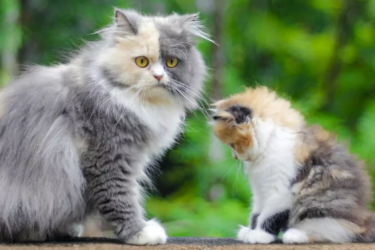
For cats with longer hair, pay particular attention to the chest, armpits, belly and back legs. Tangles can form more easily in areas where hairs constantly move and rub against each other.
3. Which cat brush suits your cat?
A good cat brush should suit the length, thickness and texture of the coat. There is no single brush that is automatically ideal for every cat.
For a short-haired cat, a soft brush or grooming glove can work well for picking up loose hair. For a longer or fuller coat, choose a brush or comb that allows you to check the coat gently, layer by layer.
- Short-haired cat: use a soft brush or grooming glove to remove loose hairs.
- Medium-haired cat: combine a suitable brush with a comb if needed to check for tangles.
- Long-haired cat: work calmly through the different layers of the coat and pay extra attention to areas where tangles develop quickly.
- Sensitive cat: start with a soft brush and keep the first sessions extra short.
Whichever brush you choose, brushing harder does not mean brushing better. Feel a lot of resistance? Stop and check whether there is a tangle first.
4. How do you brush a cat properly?
Brushing is most comfortable when you use calm strokes in the direction the hair naturally grows. Start somewhere your Rebel enjoys being touched and gradually extend the grooming session.
Step 1: choose a calm moment
Start when your cat is relaxed. The middle of a wild play session is rarely the ideal time to suddenly appear with a brush.
Step 2: let your cat inspect the brush
Let your cat sniff the brush calmly first. Then make one or two gentle strokes over an area where they normally enjoy being petted.
Step 3: brush in the direction of the hair
Use calm movements in the natural direction of the coat. Do not press hard on the skin and never force the brush through an area that resists.
Step 4: check tricky areas
Carefully check the armpits, chest, belly and back legs. These areas deserve extra attention, especially on cats with longer hair.
Step 5: keep it short and positive
It is better to stop after a few pleasant brush strokes than to wait until your cat has completely had enough. Short, positive sessions make it easier to turn brushing into a normal routine.
Does your Rebel calmly walk away? The audience is probably over. You can try again tomorrow.
5. What should you do about tangles in your cat’s coat?
You can carefully try to loosen a small, soft tangle with your fingers and a suitable comb. Work gently from the outside of the tangle towards the centre and avoid pulling hard on the skin.
Is a tangle firmly stuck or very close to the skin? Do not pull at it or experiment with scissors. A cat’s skin is thin and can be pulled up together with the matted hair.
Large, hard or tightly matted areas are therefore best removed professionally by a cat groomer or veterinarian. That is much safer than trying to untangle the Rebel knot yourself.
6. How do you get a cat used to brushing?
You can get a cat used to brushing by starting small and keeping every step positive. Do not force your cat to stay when they clearly show they have had enough.
- Let your cat calmly inspect and sniff the brush first.
- Start somewhere they enjoy being petted.
- Use only a few brush strokes during the first sessions.
- Reward relaxed behaviour with attention, a game or a small treat.
- Stop when your cat becomes irritated or tense.
- Only increase the duration once short sessions are going well.
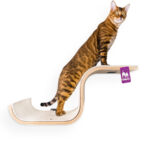
After grooming, give your cat a place of their own where they can simply get back to being a cat. On a sturdy cat tree, your Rebel can scratch, climb, sleep and pretend from a great height that the whole brushing drama never happened.
7. How do you remove cat hair from your home?
After brushing, there will always be some cat hair left behind in the places your Rebel loves to lounge. Think of the sofa, rug, clothes and, of course, favourite resting spots on the cat tree.
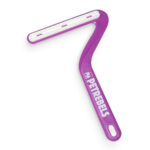
That is where our Lucky No. 7 hair remover comes in handy. This reusable cat hair remover has two sides and is designed to remove cat hair from furniture, clothing, carpets and cat trees. So you do not end up wearing half your Rebel every time you sit down to watch television.
Want even more tips and inspiration for life with a stubborn little housemate? In the Petrebels cat blog, you will find everything about cat behaviour, cat care, cat breeds and everyday life with Rebels.
The most important points at a glance:
- Brush your cat regularly to remove loose hair and early tangles.
- How often you brush depends on the length and texture of the coat.
- Choose a cat brush that suits your Rebel’s coat type.
- Work calmly, follow the direction of hair growth and avoid pulling hard on the coat.
- Make brushing positive and build it up slowly for cats that are not used to it yet.
- Use the Lucky No. 7 to remove leftover cat hair from furniture, clothing, carpets and cat trees.
8. Frequently asked questions about brushing cats
During a period of heavy shedding, you can brush your cat more often to remove loose hair from the coat. Check the coat regularly and adjust the frequency to your cat and the amount of loose hair.
Brushing a cat too often or too firmly can put unnecessary strain on the skin and coat. Use a suitable brush, work gently and adjust the frequency to the coat type and amount of loose hair.
You can introduce a kitten to a soft cat brush from a young age. Start with a few gentle strokes during a relaxed moment and gradually build up the grooming routine.
Loose hairs can become trapped more easily in a long-haired cat’s coat and twist together. Regularly check the armpits, chest, belly and back legs for early tangles.
If brushing seems painful for your cat, stop and carefully check the skin and coat. Contact a veterinarian if there is pain, a skin problem, severe matting or a sudden change in sensitivity.
Brushing your cat does not need to turn your home into a full beauty salon. A few calm minutes of regular coat care are often far more pleasant. Choose the right tools, never force anything and, most importantly, accept that your Rebel ultimately decides when the treatment is over.
Disclaimer
Petrebels is not a veterinarian or animal behaviour specialist. All content, information and tips on this page are intended for information and inspiration only. Is your cat showing symptoms, experiencing health problems or are you unsure about something? Always contact a veterinarian or animal behaviour specialist.