












1. What is the personality of a Turkish Van?
A Turkish Van cat is guaranteed to be a fun and cheerful companion. This breed is known for its happy character and always wants to have fun. The Turkish Van loves playing games with its owner. Whether it’s playing hide-and-seek, fetch, going on treasure hunts around the house, solving cat puzzles, or joining in the daily activities of their owner – this cat enjoys it all and loves being involved.
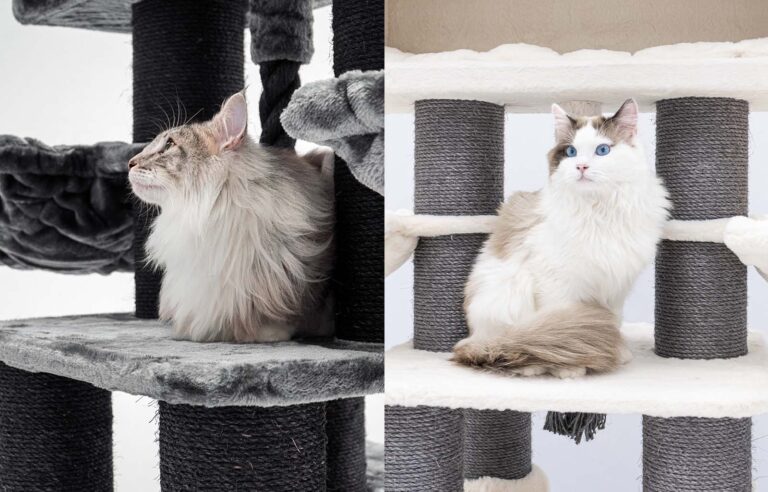
This breed is also active, as Turkish Vans enjoy climbing and jumping. Do you have a Turkish Van as a pet? Make sure you have a tall cat tree for active cats in the house, as this will make the breed very happy.
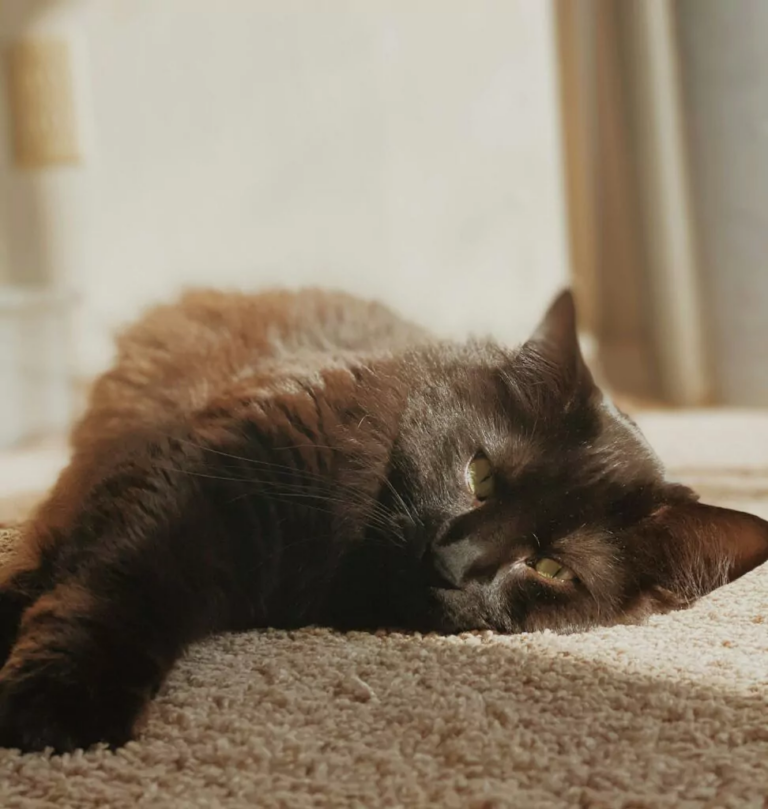
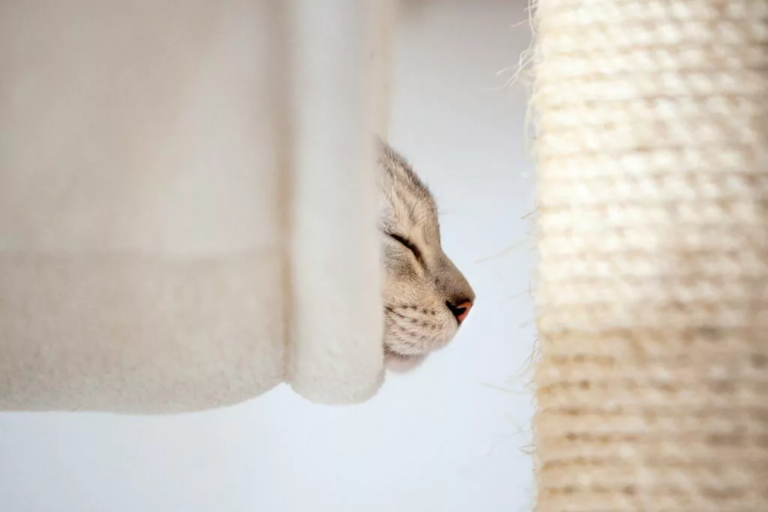
Turkish Vans are playful and active, but they are also great at lounging – they love sitting on their owners’ laps. They enjoy cuddling and being petted. If it takes too long or a child is too wild, this breed will let you know clearly.
Fun fact: Turkish Van cats love water! Some even jump in the shower with you and are excellent swimmers!
2. What does a Turkish Van look like?
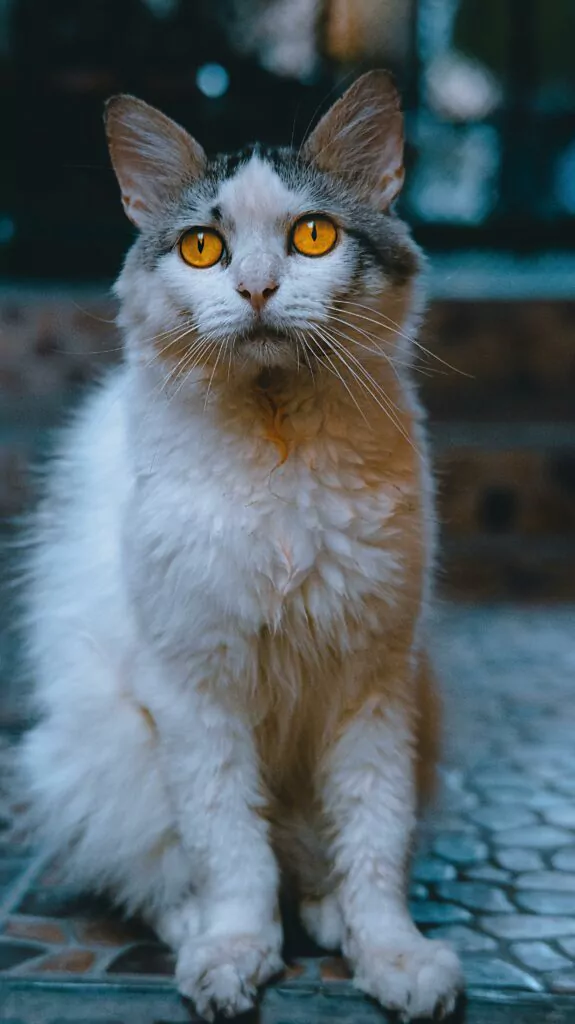
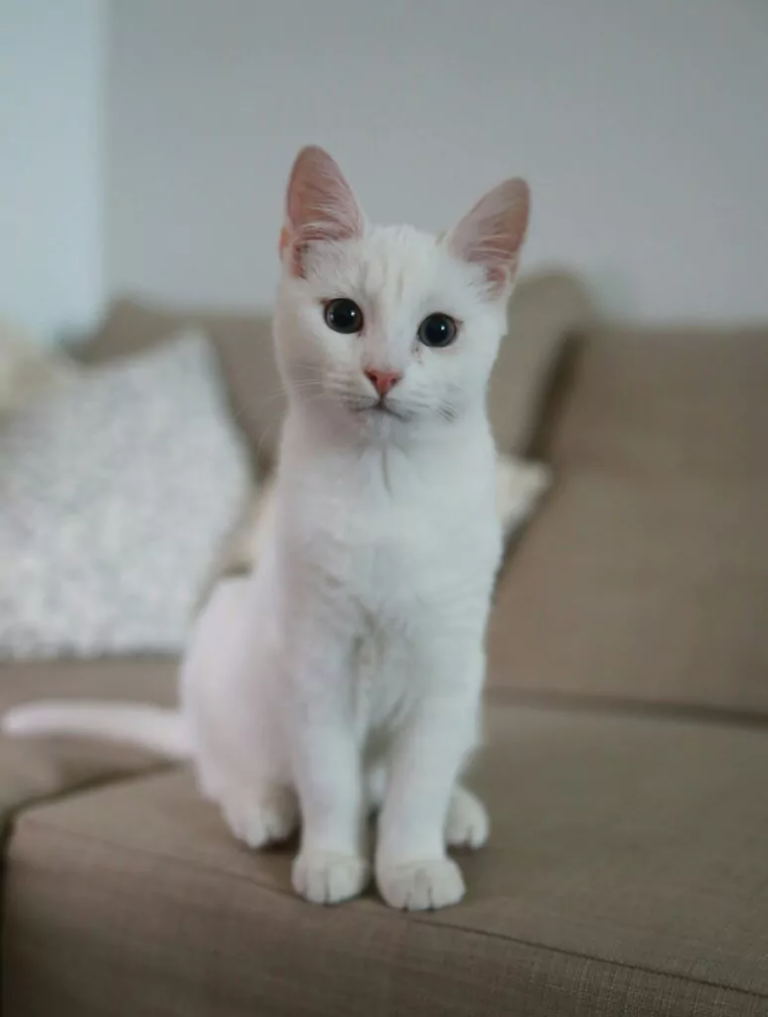
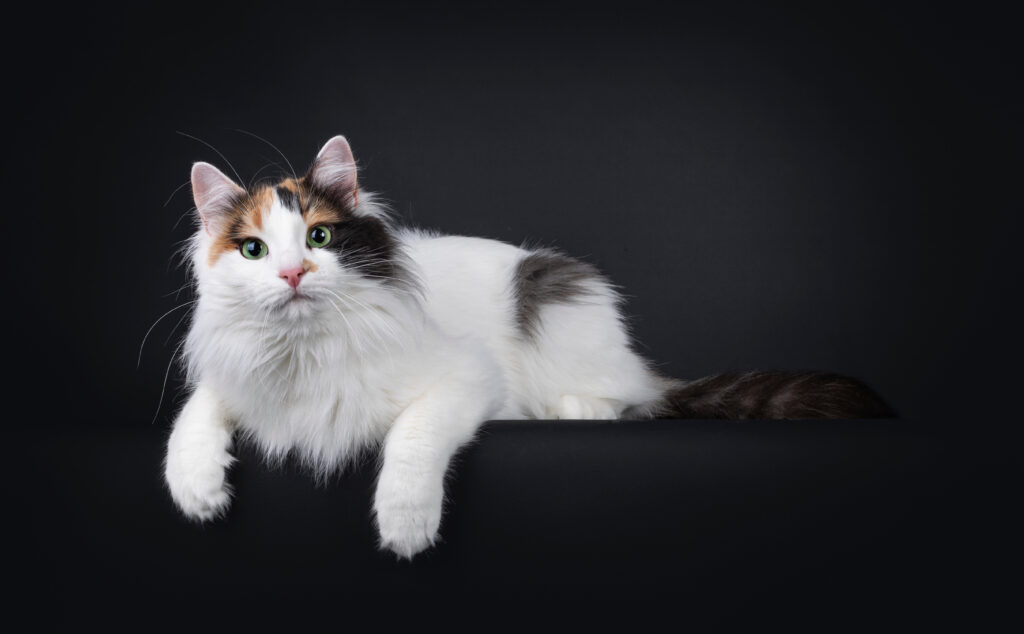
A Turkish Van looks like it came straight out of a fairy tale. This breed has a silky soft and predominantly white coat. Colors and spots are allowed by the breed association, but they must be red or cream combined with white. The coat is semi-long to long and becomes extra thick in the winter.
The head of a Turkish Van is round, perfectly proportioned, and as wide as it is large. The cheekbones are beautifully high, and the snout is round and full. The ears are nice and large, set high on the head, and positioned slightly further apart than those of regular cats. The eyes are also unique. They are large and shaped like walnuts. The eyes can be blue, amber, or green, and they are always surrounded by a soft pink rim.
In terms of build, the Turkish Van is also stunning. The cats are large, stand tall on their long, graceful legs, and are solidly built and muscular. Turkish Vans have round feet with cute tufts of fur growing between their toes. The tail completes the fairy-tale appearance of this breed – it is long and velvety soft!
Turkish Van cats are excellent jumpers. Therefore, a high and stable cat tree is a must in the house!
3. Everything about caring for a Turkish Van
Unlike many other breeds, Turkish Vans do not have an undercoat. This makes them easy to maintain. Brushing or combing them properly once a week is sufficient. However, this cat does need love, attention, and mental stimulation. This breed is very intelligent, playful, and active, and craves the undivided attention of its owners.
Turkish Vans stay healthy and happy with a variety of cat toys, a scratching post suitable for the breed, and multiple play sessions with their owners throughout the day. Additionally, a Turkish Van requires the same care as any other cat:
- A safe home
- Love and attention
- Healthy food and fresh water
- Protection from parasites
- Clean litter boxes with clumping litter
- A high-quality cat tree
- Regular veterinary check-ups
4. How long does a Turkish Van live?
Turkish Van cats are very healthy and can live between 12 to 17 years if well cared for.
5. The health of a Turkish Van cat
Pedigree cats are bred for unique characteristics. The Turkish Van also has traits that make it special, such as:
- Predominantly white long-haired coat
- Round head and snout
- Large with long legs
Turkish Vans are not heavily bred, so they are a very healthy breed. If you want to ensure you’re bringing a healthy cat into your home, ask for advice from a veterinarian. You can also consult the websites of Dier & Recht and the Netherlands Food and Consumer Product Safety Authority, as they provide information on the breed’s health, whether it’s allowed, and what rules apply to breeders.
Always buy a Turkish Van from a reputable breeder, preferably one affiliated with a breed association. This ensures that the cat is healthy and well-cared for. Also, ask the breeder for a health certificate or guarantee for extra assurance.
Now you know everything about the appearance, personality, and care of Turkish Vans. But you might also want to know where this breed comes from and how it was developed! We tell you about it below.
6. The origin of the Turkish Van
The Turkish Van is one of the few cat breeds that originated naturally, without human intervention. This breed has existed for centuries and originated in the Van Lake region in Turkey. As we mentioned earlier, Turkish Vans love water and swimming. According to experts, this is closely related to the fact that these cats used to swim in Lake Van. In 1960, this breed was recognized by the FIF, and in 1979, it was given its official name.
7. How much does a Turkish Van or kitten cost?
Do you want to buy a Turkish Van cat? Then go to a certified breeder, preferably one affiliated with a breed association. This way, you can be sure you are buying a healthy, well-socialized cat that has been bred in a humane manner. Always ask for the papers, a health certificate, and check the kitten’s parents. Also, take a look at their living conditions: is it clean and homely, and are the parents present? That is a good sign. Do not buy cats through platforms like Marktplaats, eBay, or from puppy mills.
A Turkish Van from a good breeder costs around 650 euros. If you’re looking for a cat but don’t need it to be a pedigree, consider checking shelters or adoption agencies. Many loving cats are waiting for a nice home there.
And remember: you’re not getting a cat for a short time, but for its entire life. Are you willing to take good care of the animal and set aside money for its care and vet visits? If so, the Turkish Van could become your new best friend!
Discover here what the approximate cost of caring for a cat entails
The Turkish Van in a nutshell:
- Turkish Van cats are affectionate, playful, and always cheerful.
- The coat of a Turkish Van is primarily white and velvety soft.
- Turkish Vans can swim and love water.
- A Turkish Van requires a lot of attention and playtime with its owner.
- A Turkish Van can live from 12 to 17 years.
- Turkish Van cats naturally originated in Turkey.
- A Turkish Van kitten from a good breeder costs between 500 and 650 euros.
Discover the playful and unique Cornish Rex
Disclaimer: Petrebels is not a veterinarian or behavior expert: all content, information, and tips on this blog are meant to inspire you and are for informational purposes. If your cat has issues or problems and you’re unsure about your cat’s health, always consult a veterinarian or a behavior expert.