









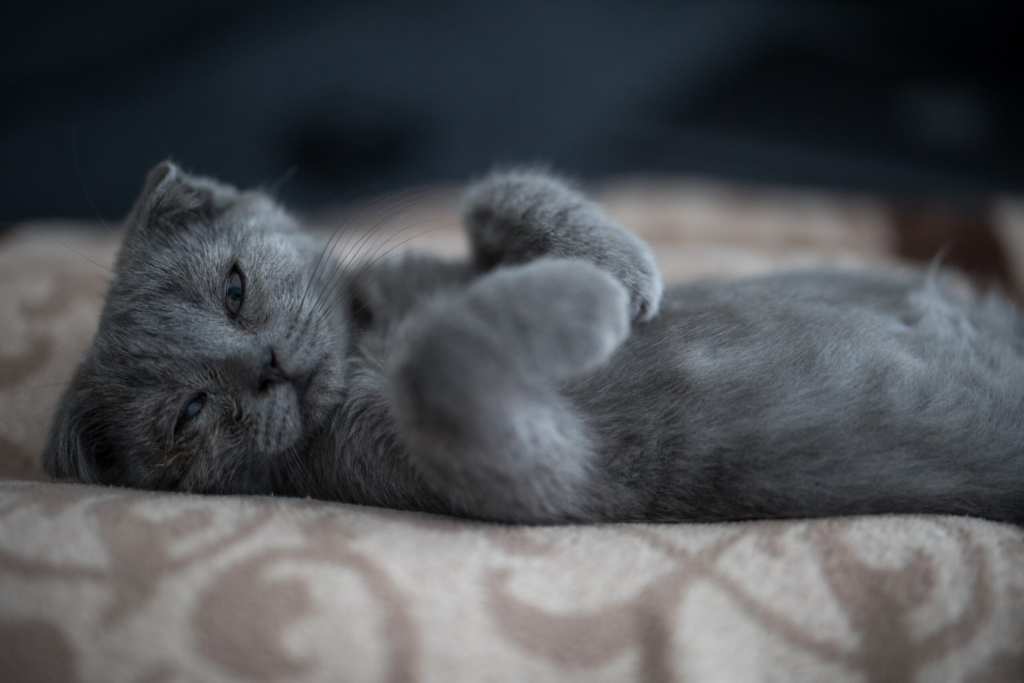
A Scottish Fold is recognized by its folded ears. Cute to look at, but that’s not all. This breed is bred for physical traits that cause a lot of pain and discomfort. Read all about this banned breed here.
In this blog:
- The origin of the Scottish Fold
- The appearance and coat of the Scottish Fold
- The personality of a Scottish Fold
- The health of a Scottish Fold
- How long does a Scottish Fold live?
- Caring for a Scottish Fold
- Buying a Scottish Fold (kitten)
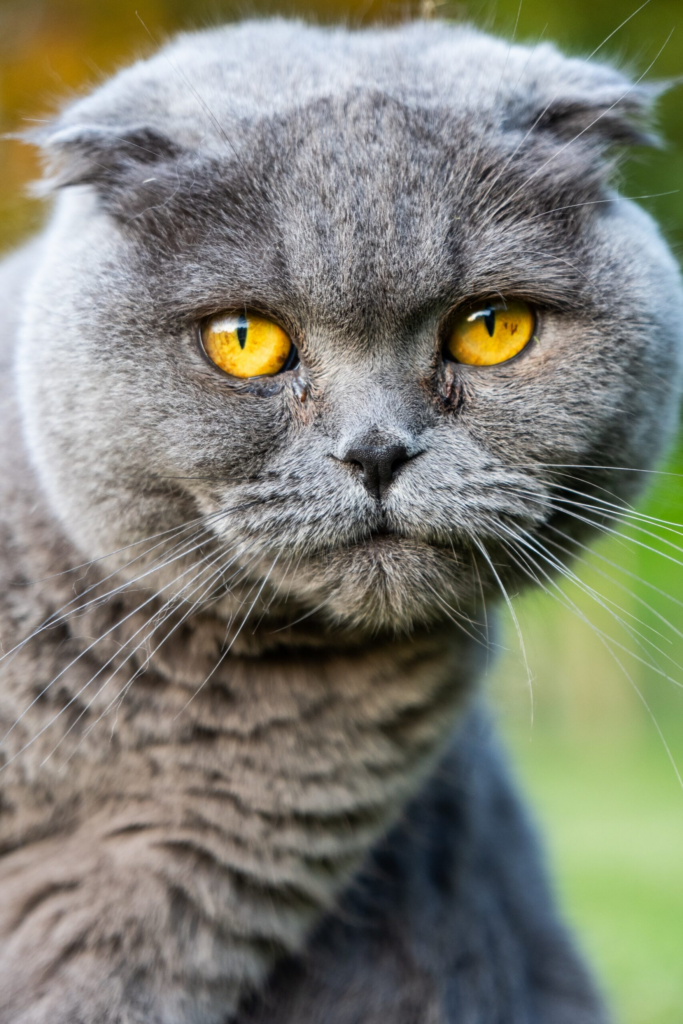
1. The Origin of the Scottish Fold
This breed was first seen in Scotland in the early 1960s. Even then, this breed had a distinctive fold in the middle of its ears. This fold is caused by a condition called Osteochondrodysplasia, which is a cartilage abnormality in cats. Because of this, the breed was not allowed in shows and its registration was revoked in 1971.
To this day, the Scottish Fold is not recognized by breed associations. The breed is also banned in Europe. Fortunately, because these cats are not healthy and often experience pain. Want to know more about it? Keep reading, as we’ll tell you more under ‘diseases and conditions.’
Find your ideal cat tree here!
2. The Appearance and Coat of the Scottish Fold
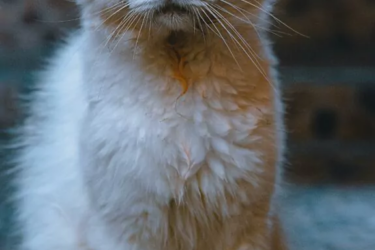
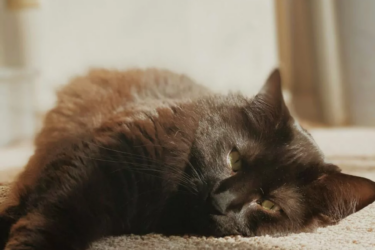
According to the standard, this breed can come in all colors except chocolate, colourpoint, and lilac. The coat is short, but thick and woolly. The build of Scottish Folds is compact and muscular, and they are of average size. The legs are – if the cat is healthy – of normal length, as is the tail. The paws are round and compact.
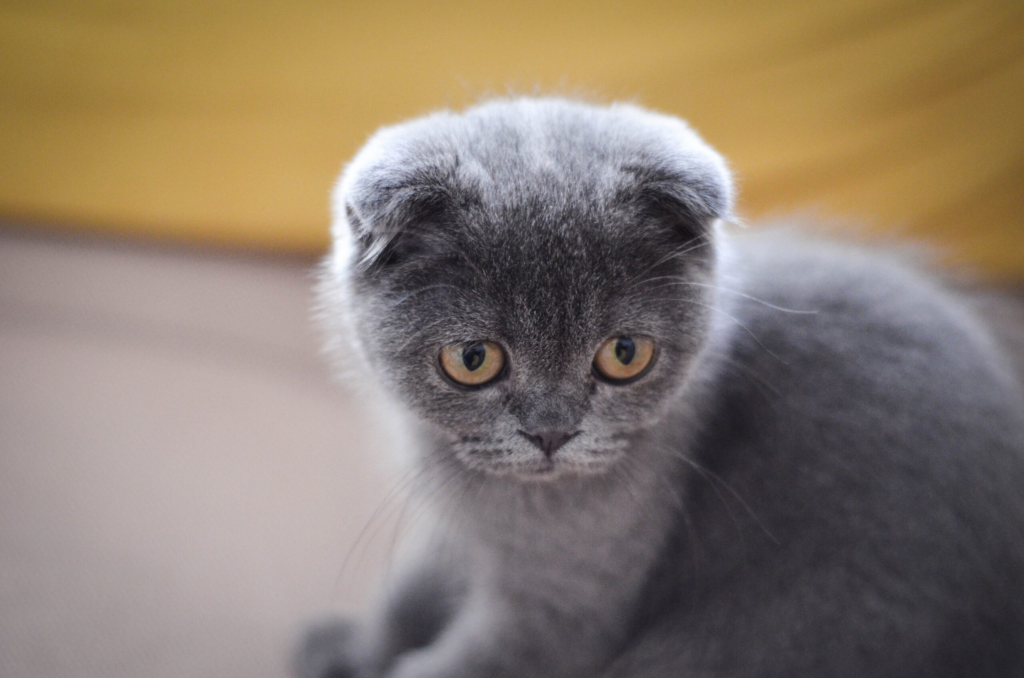
The head of a Scottish Fold is round, the cheeks are rounded, and the forehead is bulging. These cats have a firm chin, their ears are very small and folded forward. Their eyes are set reasonably wide apart, are round, and can be any color.
3. The Personality of the Scottish Fold
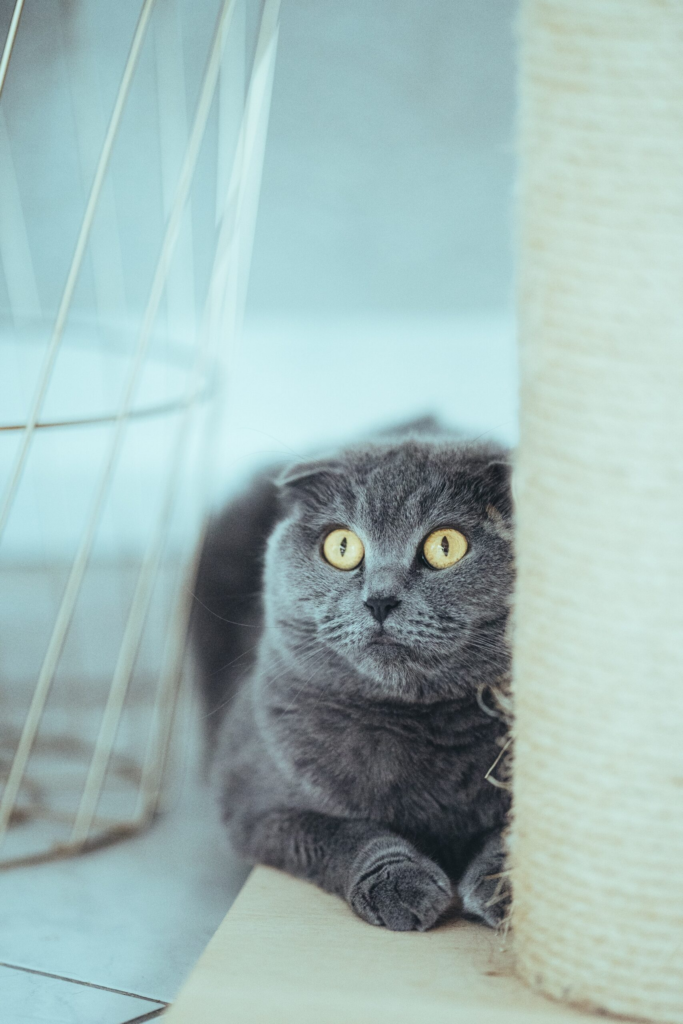
This breed has many conditions, but it still has a super cute personality. Scottish Folds are playful, social, and love hunting. They are crazy about cuddling but can also be very active. Do you have a Scottish Fold? Make sure you have a good, stable cat tree at home, because this cat can burn off its energy on it. Furthermore, the Scottish Fold is incredibly friendly and gentle. And because of its personality, it’s also a perfect cat for families.
The personality of a Scottish Fold is very similar to that of a British Shorthair
4. The Health of the Scottish Fold
Purebred cats are bred for unique traits. The Scottish Fold also has characteristics that make it special, such as:
- This cat has folded ears (and that’s unhealthy)
- Short and thick coat
- Round head
A Scottish Fold is banned in the Netherlands – you cannot buy them or breed them. And starting January 1, 2026, you won’t be able to keep a Scottish Fold either. This breed suffers greatly from Osteochondrodysplasia (a growth disorder of the cartilage) and other hereditary conditions. It’s important to be aware of this.
If you want to bring a healthy cat into your home, it’s best to consult a veterinarian. You can also check the websites of Dier & Recht and the Dutch Food and Consumer Product Safety Authority for information about the health of the breed, whether it’s allowed, and what rules apply to breeders.
5. How Long Does a Scottish Fold Live?
If you’re lucky, a Scottish Fold can live between 12 and 15 years. But this is entirely dependent on the condition of the cat, how severe the abnormalities are, and how well you care for the animal.
6. Caring for the Scottish Fold
If you have a Scottish Fold, you need to regularly take your cat to the vet. The vet will check if your cat has joint pain and, if so, where. Part of this examination includes an X-ray – the vet will take X-rays to assess the condition of your cat’s joints and bones. Does your Scottish Fold have joint problems? Pain relief is almost always necessary, and in some cases, an orthopedic surgeon may be able to alleviate the problems with surgery.
Discover here what the typical cost of caring for a cat is
Less serious but still important, the coat of a Scottish Fold needs to be well-maintained. Brushing every week is a must to prevent the thick fur from matting or felting.
And of course, you should take the best possible care of your Scottish Fold. Attention, clean litter boxes with clumping litter, a safe home, and high-quality food are always important. As well as plenty of fresh water, vet visits, vaccinations, and parasite control – such as ticks, worms, and fleas. And of course, you’ll want to give your cat the best of the best and spoil him or her with:
7. Buying a Scottish Fold (Kitten)
The Scottish Fold is banned in the Netherlands. Are you looking for a cat, but it doesn’t necessarily have to be a purebred? Then consider checking animal shelters or adoption agencies. Many lovely cats are waiting for a good home.
And remember: you don’t have a cat for just a short time, but for its entire life. So, you must be willing to take good care of the animal and set aside money for its care and vet visits.
Read here: Super charming but with a problem: the American Curl
Disclaimer: Petrebels is not a veterinarian or animal behavior specialist. All content, information, and tips on this blog are intended to inspire and provide information. If your cat has health problems or issues, and you have doubts about your cat’s health, always consult a veterinarian or animal behavior specialist.