














But let’s start at the beginning and tell you which myths exist about the number of lives cats supposedly have. Then we can immediately tell you the truth. We’ll also explain what the saying ‘a cat with nine lives’ actually means.
Myth 1: Sacred Cats in Egypt
In ancient Egypt, cats were considered sacred beings – they were protectors of homes and the families who lived there. The Egyptians also believed that cats had supernatural powers and could ward off evil spirits and pests. There was even a cat god named Atum-Ra. Biologist and cat lover Midas Dekkers explains in NRC News: “In Egypt, the number three is sacred. So three times three is super sacred! The Egyptians believed that this supernatural trait (having nine lives) belonged to cats because they are such resilient creatures.”
Want to truly spoil your fantastic cat? Treat them to a superb cat tree.
Myth 2: Cats as Protectors of Witches
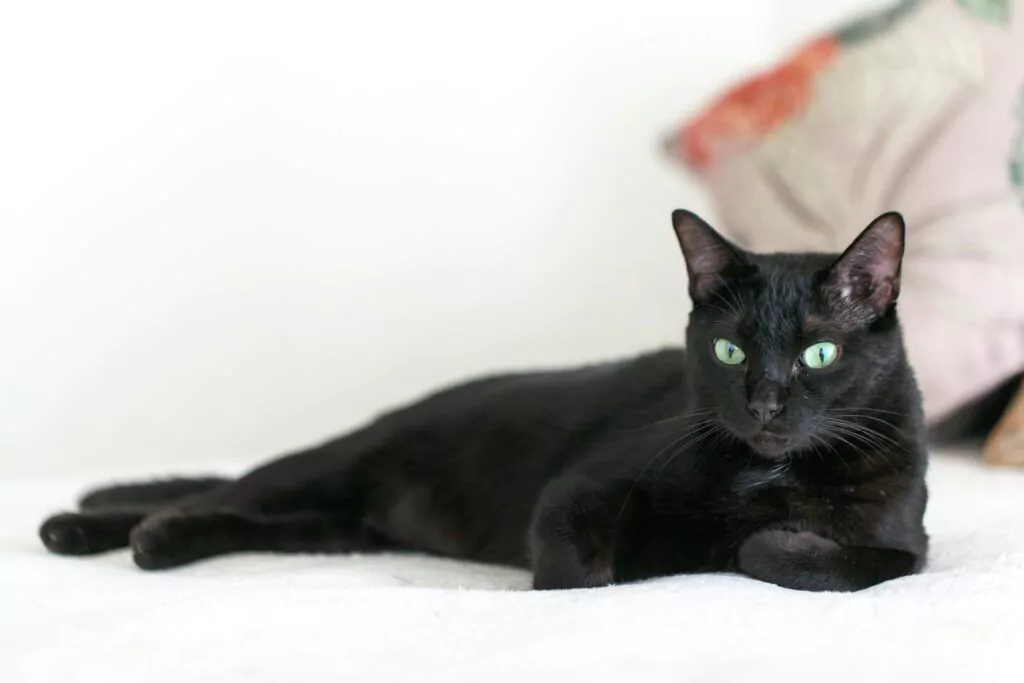
In the Middle Ages (a very long time ago), cats were associated with witches and magic, especially in Europe. People believed that some women were witches, and the cats that belonged to them were accused of having supernatural evil powers – they could transform into other forms and communicate with evil spirits. Because cats needed to protect ‘their’ witches, they supposedly required nine lives to survive.
So, does a cat have nine lives? No, a cat has just one life, just like you and me. However, both theories give you an idea of where the expression comes from. But what does this expression actually mean?
When someone is called ‘a cat with nine lives,’ it means that person is incredibly resilient. It’s someone who seems doomed to fail but manages to start over after every setback.
Does a cat have seven lives?
Okay, now you know the origin and meaning of the expression about nine lives. But what about the number seven? Does a cat have seven lives? No, that’s also nonsense. And what about converting your cat’s age to human years by multiplying by seven?
Calculating a Cat’s Age in Human Years
Some people say that one year of a cat’s life equals seven human years. Is that true? The answer is ‘no.’ You cannot convert a cat’s age to human years. So, multiplying your cat’s age by 7 makes no sense. While cats may look young and cute for a long time, internally, they experience aging just like any other creature.
For example, they might suffer from arthritis, less flexible muscles, and a slower metabolism. Additionally, their development is different. Cats develop very quickly in their first few years, and later – as they age – this development slows down significantly. In humans, this development is much more gradual.

How do you know how ‘old’ your cat really is?
If you truly want to know how your cat is feeling, if it’s healthy, and if it needs extra care, keep a close eye on your cat and visit the vet regularly for check-ups – ideally at least once a year. Additionally, you can divide your cat’s age into different life stages. Want to know what they are? Here they are listed for you!
Now you know the various life stages a cat goes through. Hopefully, your cat will age in a happy and healthy way. But now you’re probably also curious about the oldest cat in the world. Well, let us introduce you.
This is the oldest cat in the world
Meet Creme Puff – an ordinary, non-pedigree house cat who lived in Texas with her owner Jake Perry. This cat is the oldest cat ever, living to the age of 38, and even made it into the Guinness Book of Records. Her owner claimed that Creme Puff lived so long due to a good diet, lots of love, and a particularly pleasant and safe environment. He converted his garage into a cinema where the cats could watch nature documentaries, fenced his property so the animals could be safely outside, and built wooden stairs on the walls of his house for the cats to climb.
Want to make a climbing wall for your cat? Check out our cat shelves!
Handy Tips for Extending Your Cat’s Lifespan
- Balanced Diet: Ensure a nutritious diet appropriate for the cat’s life stage, with the right amounts of proteins, fats, and essential nutrients. It’s important for cats to meet their natural needs, so always have cat litter available at home.
- Regular Veterinary Check-ups: Schedule periodic visits to the vet for health checks, vaccinations, and early detection of potential health issues.
- Encourage Hydration: Make sure your cat drinks enough water to support kidney function and overall hydration.
- Promote Physical Activity: Provide toys and activities that enhance the cat’s physical and mental health. Exercise is essential for maintaining a healthy weight.
- Weight Management: Prevent obesity by controlling the type and amount of food, which can contribute to a longer and healthier life.
- Suitable Living Environment: Create a safe, stimulating environment with quiet areas, climbing opportunities, and hiding spots using a scratching post.
- Flea and Parasite Prevention: Use preventive measures to protect against fleas, ticks, and other parasites, which promotes the cat’s health.
- Loving Attention: Offer daily affection and interaction to support the cat’s emotional well-being.
These tips can contribute to a healthy and long life for your cat.
Hopefully, you now have a better understanding: a cat does not have seven or nine lives, but just one. Just like humans. Want to know more about cats or curious about how other cat owners enjoy their favorite pets? Check out our blog and read the heartwarming stories about cats and their owners on Cat talk. Looking for a cool scratching post? You’ll find them in our scratching post webshop.
Wondering what a cat costs? Read it here
Disclaimer: Petrebels is not a veterinarian or behavioral expert: all content, information, and tips on this blog are intended to inspire you and are for informational purposes. If your cat has complaints or problems and you are concerned about your cat’s health, always consult a veterinarian or a behavioral expert.