





1. Which litter doesn’t stink?
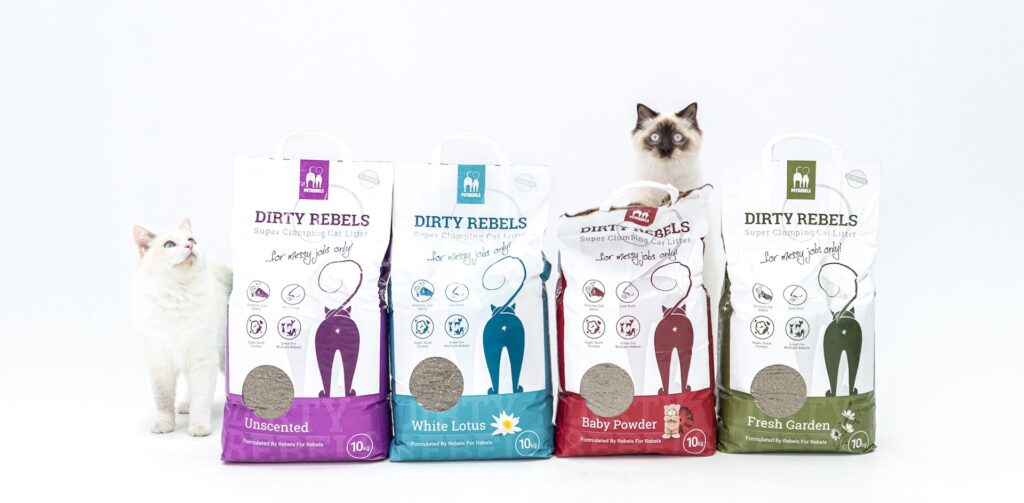
What you fill the litter box with is the foundation. Some types of litter absorb odors much better than others. Want the freshest possible litter box in your home? Then choose clumping litter, as it tops the list of best odor-absorbing litter: urine moisture is immediately bound into an odor-free clump and you prevent urine from ending up at the bottom of the box.
Choose a neutral litter if your cat is sensitive (or if you can’t stand perfume yourself) or go for scented litter – that way the big business of your cat smells a lot less.
Important to know: cats are picky. So pay close attention to what your cat prefers – neutral litter, scented litter, a fine grain, or a larger one. Test freely and find out when you’ve got a good match.
2. How do you keep the litter box from stinking?
Even if you use the best litter (see above), you still need a good cleaning routine to keep the litter box fresh and clean. These are the basics for a fresh litter box. And cleaning more often is of course always allowed!
- Scoop the litter box daily: remove urine and poop every day.
- Replace the litter weekly: empty the box completely, clean it with warm water and a mild all-purpose cleaner, and refill it with fresh litter.
- Provide a good layer of litter: use a layer of at least 7 to 8 centimeters so urine is absorbed properly and doesn’t reach the bottom too much.
- Never place the litter box in the sun or near a radiator: heat intensifies odors, so always put it in a cooler spot.
Does your cat pee in the house and not in the litter box? Check here what might be going on!
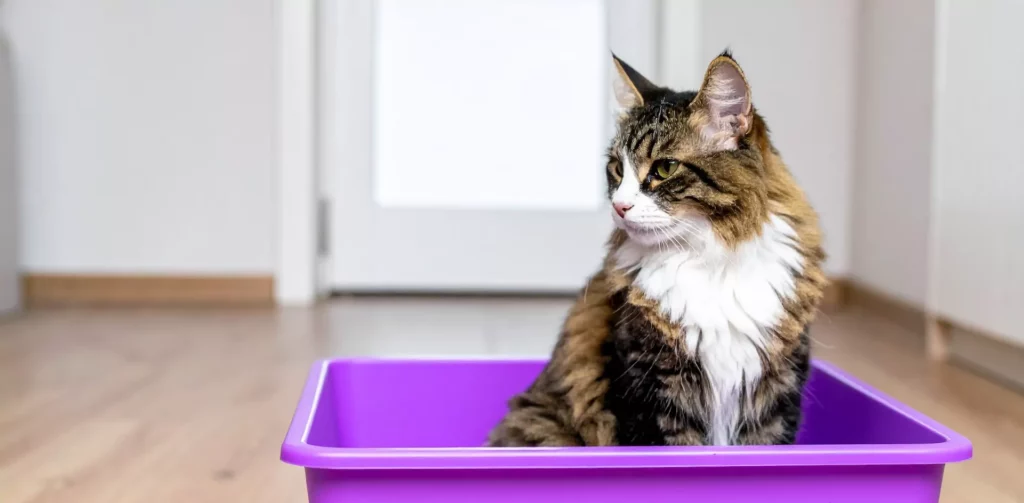
3. Which litter box is odor-free?
By now you know which litter is best and which cleaning routines keep it fresh. But a truly odor-free litter box that always smells good – that doesn’t exist. Some cats are simply little stink bombs. And you’ll notice that.
Still, there are litter boxes that make a big difference – reducing odors in your home. Here are the best options:
- A covered litter box with a carbon filter – the “roof” keeps odors inside and the carbon filter neutralizes the worst smells.
- A double-bottom litter box – these consist of a tray with a grate and a collection bin underneath. Most urine ends up in the bin while the rest is absorbed by the litter, reducing odors.
- A stainless steel litter box – most are made of plastic, which can absorb urine smell over time. Stainless steel won’t, keeping the box fresher.
- A self-cleaning litter box – some cat parents swear by them, others don’t: a box that cleans itself and separates waste from litter.
The above boxes are often called “odor-free,” but that really means they’re designed to filter odors or separate urine. See them as helpful tools, not the ultimate solution. In the end, regular cleaning plus good litter works best against smells.
4. Is a self-cleaning litter box worth the money?
Automatic self-cleaning litter boxes are becoming increasingly popular. Understandably so: if there’s an easier way to keep it clean, why not? Below are the pros and cons of a self-cleaning litter box.
Advantages of a self-cleaning litter box:
- You don’t have to scoop as often.
- The box stays cleaner for longer and smells less quickly.
- Most have built-in odor filters.
Disadvantages of a self-cleaning litter box:
- They’re very expensive.
- Not suitable for young cats and kittens.
- Not every cat likes them, some are afraid of the noise.
- You still need to empty the collection bin and clean the box, so there’s still work to do.
Whether it’s worth the investment depends on you. For busy cat parents or multi-cat households, it can be a solution. But a regular litter box with the right litter and cleaning routine works just as well.
5. How do you prevent your home from smelling like a litter box?
In the 4 tips above, you already read how to keep the litter box itself clean and fresh. But how do you prevent your home from smelling? Here’s how:
- Always place the litter box in a well-ventilated area.
- Ensure fresh air: opening a vent or window helps fight odors.
- Place a special mat to catch litter grains and clean it regularly.
- Have at least two litter boxes for one cat. For multiple cats? Check here how many you need.
6. All tips for a clean litter box at a glance
- Use good clumping litter
- Scoop the box daily
- Clean thoroughly with all-purpose cleaner weekly
- Replace the litter weekly
- Don’t place the box in the sun or near a radiator
- Preferably place it in a well-ventilated area
- Make sure you have enough litter boxes
- Find out which type of box suits your cat best
- Ventilate the room regularly
A litter box that never stinks doesn’t exist. But with the tips and tricks in this blog, you can make sure bad odors don’t take over your home, and your box stays clean and fresh. And your cat? They’ll thank you too, because cats are clean animals and love a fresh toilet.
Disclaimer
Petrebels is not a veterinarian or behaviorist: all content, information, and tips on this page are meant to inspire you and are for informational purposes only. If your cat has complaints or problems and you’re unsure about their health, always visit a vet or behaviorist.