










1. Why Is Play Important for Cats?
It is very important to have interesting cat toys and a good scratching post at home – because play is essential for cats of all ages. Here’s why:
- Through play, cats learn how to interact with other cats (and animals).
- Playing releases important chemicals in the brain – after just 5 minutes, cats can recover from stress.
- Cats are natural hunters. Play stimulates their hunting instinct and prevents boredom and unhappiness.
- When a cat plays, it moves. This keeps them fit and healthy and reduces the risk of obesity.
- And: play is simply fun for cats! Plus, if you play with your cat every day, you strengthen your bond.
(Source: Liesbeth Puts, behavior expert, in the book: “If the Cat Were in Charge”)
2. What Do Cats Really Like to Play With?
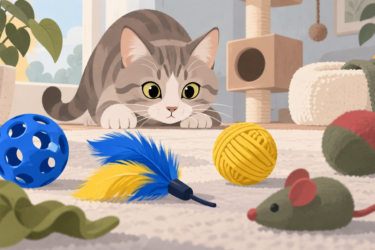
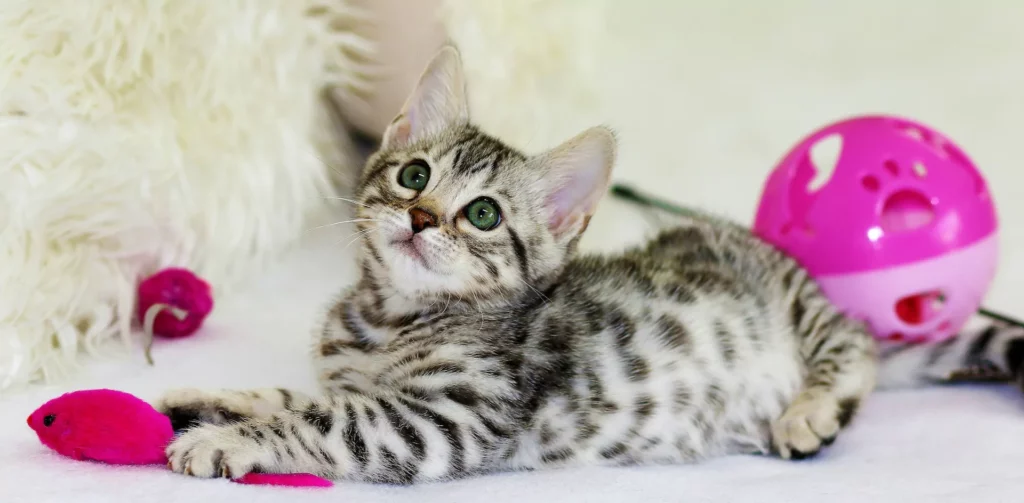
Cats are true hunters, and this is reflected in their favorite games. Anything that moves, rustles, crinkles, flies through the air, or jumps away is fascinating to them. Want to give your cat something they’ll truly enjoy? Try for example:
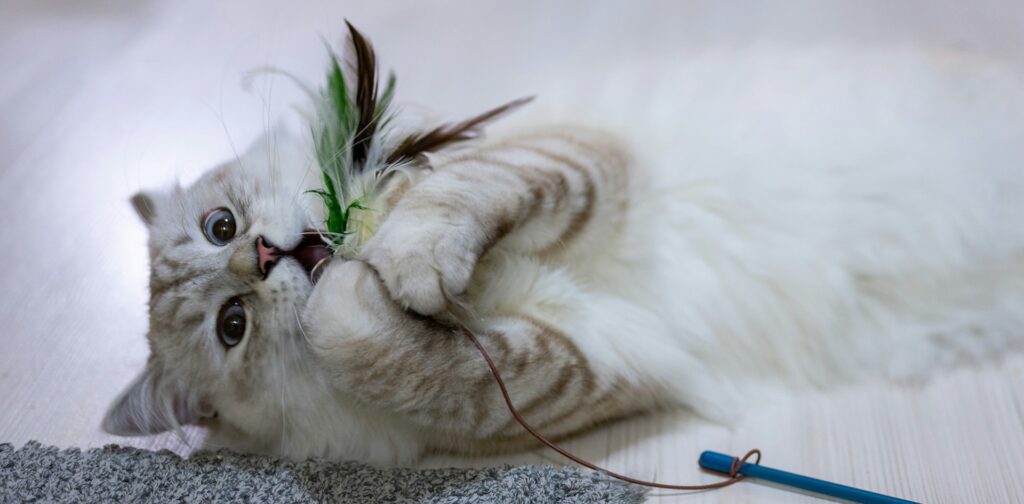
- A teaser wand with a feather or toy mouse. Fun not only for your cat but also for you – since you can play together.
- A ball, because cats love to chase. Some cats will even bring it back – how cute!
- Cat toys with catnip or valerian are also very popular. Which one your cat prefers depends on the individual cat.
- Interactive cat toys move on their own. These include balls or mice that make unpredictable movements. Just make sure they’re not too noisy – many cats don’t like that.
Extra tips:
- Rotate toys regularly so your cat doesn’t get bored.
- Remove small or loose parts to avoid choking hazards. When in doubt: take the toy away when you’re not home.
- Combine loose toys with a sturdy scratching post or a scratching barrel. This way your cat always has a place to play, climb, and scratch.
3. Which Toys Stimulate Your Cat’s Hunting Instinct?
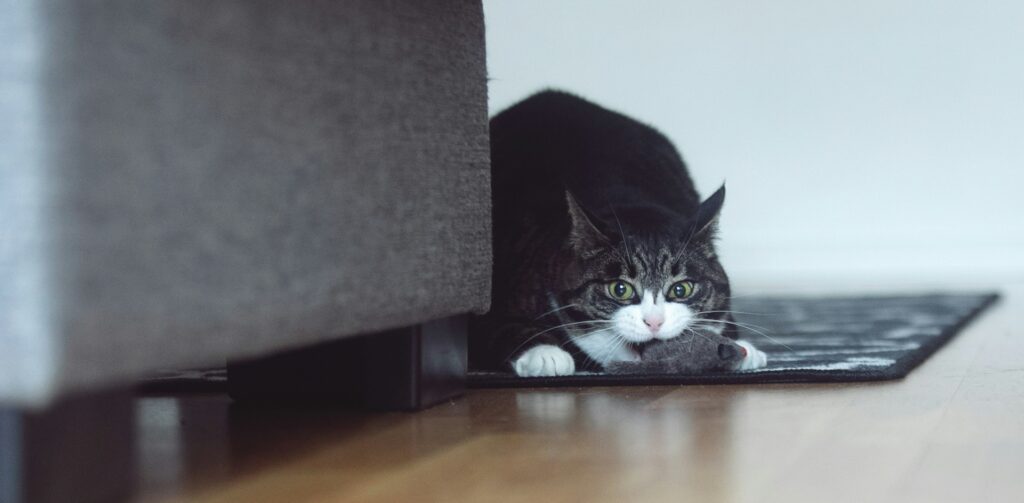
Cats are natural hunters. Even if your cat lives indoors, their hunting instinct remains. That’s why it’s important to have toys that stimulate this instinct – toys they can chase or stalk. For example toy mice, rolling or crinkle balls, play mats with hidden treats, or anything with feathers.
The more realistic the toy or its movements, the more exciting it is for your cat. A ball in a track or a feather dangling just out of reach keeps them busy for a long time. But: let your cat “catch the prey” from time to time, otherwise they’ll get frustrated – and that’s what you want to avoid.
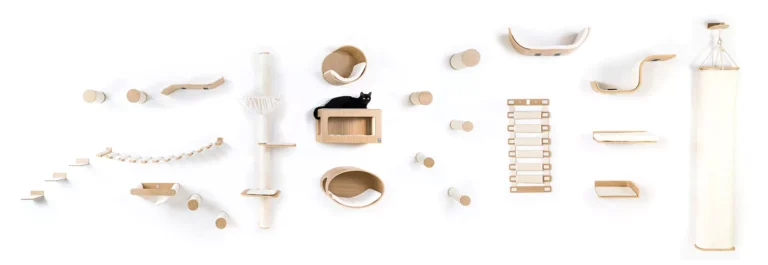
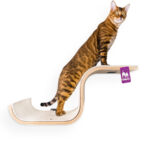
Is your cat a real climber? Treat them to a cat wall – and create the ultimate play paradise indoors!
4. Why Is a Scratching Post Important for Cats?
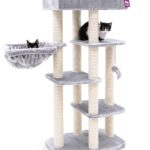
Every cat needs a scratching post. It’s not only for claw care, but also an adventure playground – cats can climb, hide, jump, and of course relax on it.
The benefits of a scratching post:
- Keeps your cat active and strengthens muscles.
- Reduces stress.
- Prevents your cat from scratching furniture.
- Gives your cat their own space in the house.
5. How Long and How Often Should You Play With Your Cat?
How often and how long you should play depends on your cat’s personality and age. Young cats often run around endlessly, while older ones are calmer. Try what works best. As a guideline:
- Play with your cat every day.
- Better 3 short sessions (around 5 minutes) than one long one.
- Encourage running and climbing, especially on the scratching post – it keeps them fit and happy!
Regular play keeps your cat not only physically but also mentally healthy – it reduces stress and prevents behavior problems.
6. How to Entertain an Indoor Cat
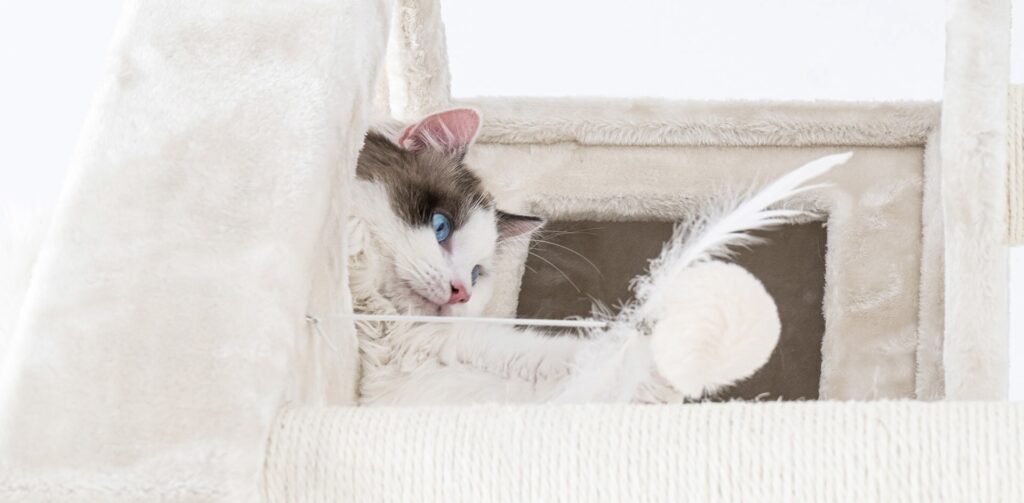
Cats that can go outdoors usually get enough exercise by themselves – chasing insects and climbing trees or fences. Indoor cats have fewer options. But with a bit of creativity, you can make indoors almost as exciting as outdoors:
- Create height: Cats love climbing and high spots. Install shelves or place an indoor scratching post.
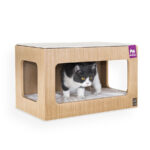
- Don’t throw away cardboard boxes: Got a delivery? Leave the box for your cat – boxes are a party for them! Replace old ones with new ones. Tip: remove tape and check for sharp edges.
- Leave the curtains open: Indoor cats love watching birds, insects, and falling leaves.
- Make the windowsill cozy: Add a warm blanket or cushion and some safe plants – perfect for hiding and lounging.
7. Why Do Cats Love Cardboard Boxes?
Ever ordered something for your cat? Often they don’t care about the item – but jump straight into the box! Cats love cardboard boxes, and here’s why:
- Boxes are safe hiding places, where cats feel secure.
- Cardboard insulates and feels warm.
- The texture of cardboard is perfect for scratching.
Does your cat also love cardboard? Treat them to a Scratch ’n’ Rebel cardboard scratching toy!
8. Frequently Asked Questions About Cat Toys
Can cats get bored without toys?
Yes, especially indoor cats. Without toys, they can get bored and show unwanted behavior. A scratching post and cat toys help prevent this.
Is it good if cats play alone?
Yes, as long as the toys are safe. Soft balls, toy mice, or crumpled paper are suitable. Avoid toys with loose strings, small parts, or unsafe materials.
Which cat toys are safe for kittens?
There are special toys for kittens in pet stores. But always check first: no small, toxic, or sharp parts! Young cats explore a lot with their mouths, so safety is extra important.
Play is essential for every cat’s health. Invest in a good scratching post, safe cat toys, and keep some cardboard boxes. This way, your cat will stay fit, healthy, and happy – and that’s what you want, right?!
Disclaimer
Petrebels is not a veterinarian or behaviorist: all content, information, and tips on this page are for inspiration and informational purposes only. If your cat has health issues, always consult a veterinarian or behaviorist.