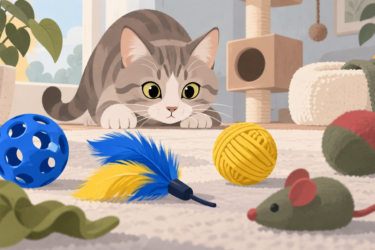















1. Can cats be trained?
Cats can be trained very well – they are much smarter than many people think. Cats love to learn and do so quickly, but it has to be on their own terms. The key to cat training: reward instead of correction. Cats don’t respond well to punishment or negative attention. We’ll tell you more about that later, but you can achieve a lot with a positive approach. And let’s be honest, isn’t that much more fun?!
Why cats are easy to train
- Cats are smart
- They love routine and predictability
- They’re crazy about cat food and play
- They enjoy spending time with their owner
Even older cats can be trained and taught new things. It may not happen as quickly as with a young cat or kitten, but with some patience, love, and tasty treats, you can get very far.
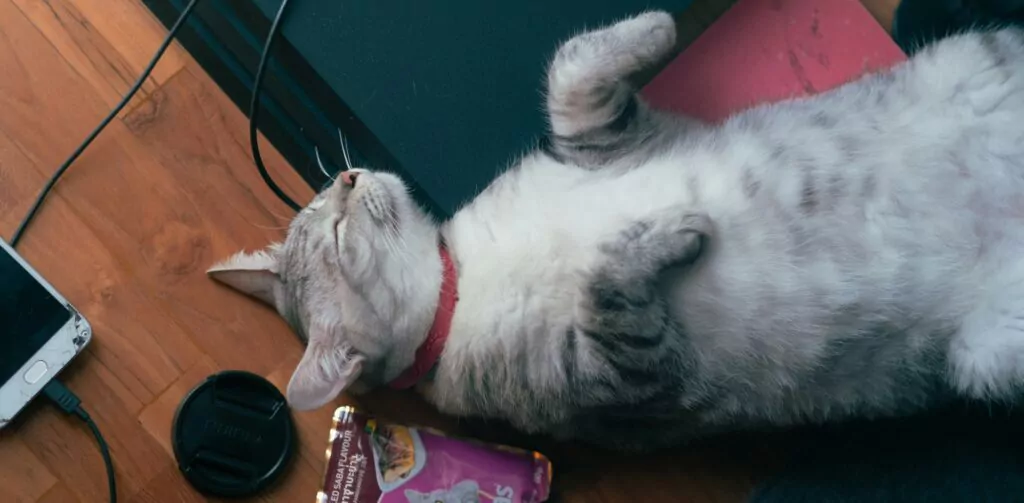
2. The basics of cat training
If you want to teach your cat something, it’s best to start with small and achievable goals. Here’s how to approach cat training:
- Train your cat when it’s calm at home, when they are refreshed and awake, and – very importantly – keep your cat’s favorite food or treats nearby.
- Keep the training short: about five minutes per session is more than enough because cats get distracted quickly. Repetition, calm, and positive attention are more important than long sessions. (Source: Guide to a Happy Cat, by Liesbeth Puts).
- Use your voice to motivate your cat. Studies have shown that cats respond well to a calm and soft tone. They also enjoy encouragement.
- Let your cat decide if they want to participate. Forcing a cat to do something works the opposite way. If your cat prefers to sleep or watch outside, let them do that and try again later.
3. Can you teach a cat tricks?
People often ask, “Can I teach my cat to do tricks?” And the answer is yes. You can teach a cat to wait for a treat or to stand on its hind legs when you stand in front of it. Some cats even love to fetch (bringing back toys that you throw for them), do a circuit, or sit neatly before getting their food.
In fact, you can teach a cat almost anything – as long as the cat finds it fun enough and you, as the owner, offer a good reward: a treat, some tasty food, or a nice pat on the head. (Source: Guide to a Happy Cat, by Liesbeth Puts).
Here, we’ll tell you how to teach a cat to use a cat tree.
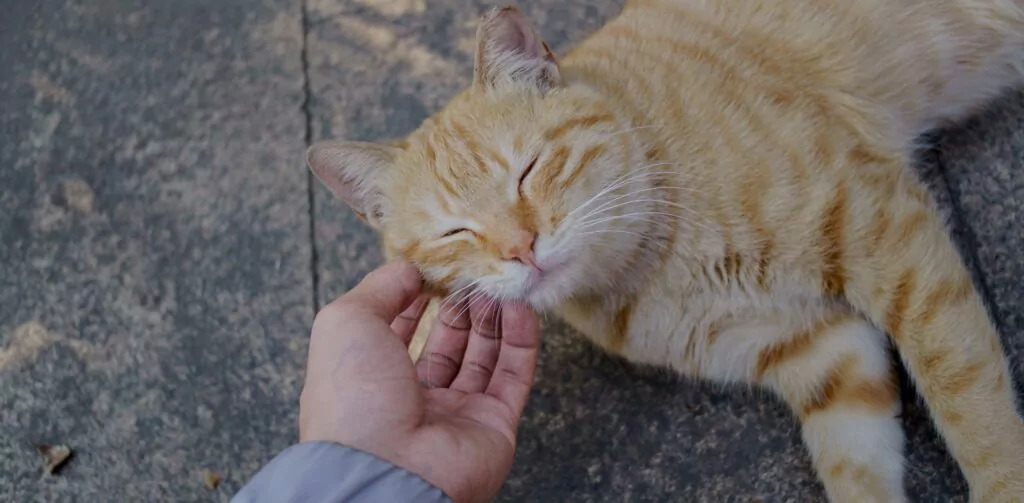
4. Can you teach a cat to cuddle?
Whether you can teach a cat to cuddle is not something we can say with certainty. For example, Ragdolls love cuddling, but other cats may not enjoy it at all. They might also have experienced trauma, making them afraid of people or being touched.
If your cat doesn’t like cuddling or being touched, try these small steps to help your cat get used to touch:
- Gently, calmly, and briefly pet your cat in areas they enjoy, such as their head or cheeks.
- Talk to them in a soft and sweet voice.
- Reward each touch with a treat or some tasty cat food.
- If your cat’s ears go back, they hiss, or flick their tail, it means they’re not enjoying it. Respect their boundaries, stop petting them, and leave them alone.
5. Should you correct a cat?
You should never correct a cat when it does something wrong, simply because it doesn’t work. It’s ineffective. However, there are things you can do to help your cat unlearn unwanted behavior, such as scratching your furniture or jumping on the counter. Here’s how:
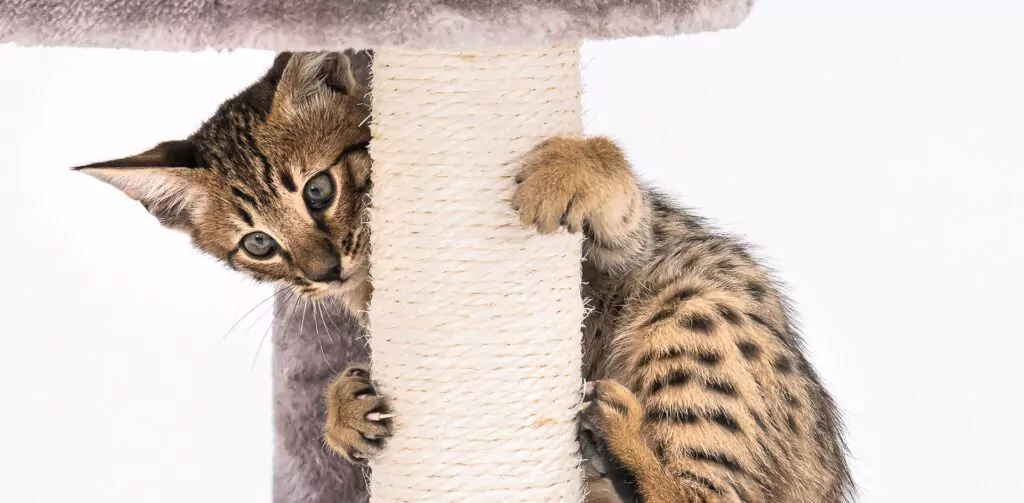
- Investigate why your cat is doing something. For example, if your cat is scratching your furniture, it’s likely searching for a place to display natural behavior (scratching objects). If they’re jumping on the counter, they might be looking for something tasty.
- Provide a good alternative. In the case of scratching, find a cat tree that suits your cat. If your cat frequently jumps on the counter, make sure to clean up any food scraps and provide enough suitable food.
- Once your cat gets used to the alternative, you can unlearn the unwanted behavior. Make the area where they scratch furniture unattractive by temporarily placing something in front of it. For the counter, make it less appealing by placing things your cat dislikes on it, such as citrus peels (they hate the smell) or a piece of sturdy artificial grass or a non-slip mat (cats dislike how that feels on their paw pads).
Important: Never get angry with a cat. Yelling, hitting, or making loud noises will only make a cat fearful or shy, and you won’t achieve anything. And let’s be honest, that’s really not okay!
6. What you should never do with cats
We’ve mentioned this before, but it can’t be said enough: negative and aggressive behavior towards cats never works! And it’s not okay. Below, you’ll find what you should absolutely avoid doing with cats. But also, what does work.
What you should never do with cats:
- Yelling or hitting – this will make a cat fearful or aggressive
- Ignoring bad behavior – cats don’t understand this
- Forcing your cat to be held against its will – your cat will get angry or scared
- Punishing with water or noise – this damages the bond between you and your cat
What you should do with cats:
- Always reward positive behavior (with pets, cuddles, or treats)
- Redirect unwanted behavior to desired behavior (see the previous section)
- Give your cat rest, predictability, and safe spaces (and lots of love)
As you can see, it’s entirely possible to train cats and teach them tricks. It’s not only practical, but also fun for you and your cat – you get to understand your cat better, build a strong and loving bond, and keep their smart brain engaged. And it doesn’t take much. With the right tools – such as cat treats, toys, a safe cat tree, and some patience – you’re ready to discover what your adventurous cat is capable of. Have fun!
Disclaimer: Petrebels is not a veterinarian or behavior expert; all content, information, and tips on this page are meant to inspire and are for informational purposes. If your cat has symptoms or issues, and you’re unsure about its health, always consult a veterinarian or behavior expert.