











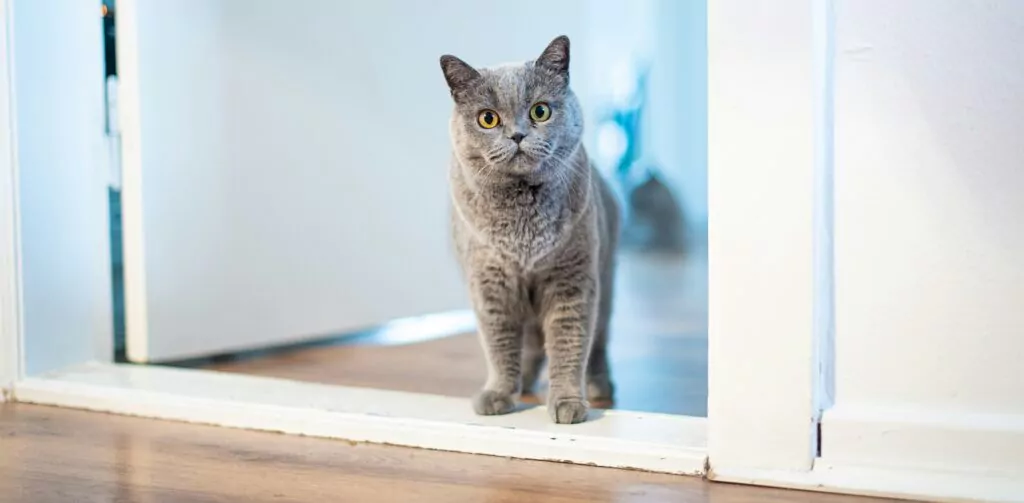
6 reasons why your cat meows at night and how to solve it
Usually, it’s completely natural and normal for a cat to meow while you’re lying comfortably asleep. But sometimes, something might be wrong, or your cat might need something. Here, we show 6 possible reasons why your cat meows at night. We also provide helpful tips on how to solve it so you can sleep peacefully again.
1. Your cat is active at night
Cats are naturally animals that are active at dusk – they are most active in the early morning when the sun rises and in the afternoon or evening when the sun sets. In the wild, cats (and other felines) hunt at those times, and that hunting instinct is still part of their nature.
So, the moment you’re snuggled up in bed after a long day or trying to sleep in on the weekend, your cat thinks: “Time for action, fun, and exciting things to do!”
The solution
Is your cat active at night? Then set up a challenging cat tree for him, where he can climb, play, hide, and scratch to his heart’s content. A cat tree is essential for every cat, especially for those that can’t go outside.
2. Your cat is bored or lacks stimulation
If your cat is bored during the day, they are fully charged and have a lot of leftover energy at night. This happens with every cat, but especially with indoor cats that don’t play enough, lack challenges, don’t have variety, or don’t receive mental stimulation during the day. It’s no surprise that your cat will start causing a ruckus at night – they’re looking for distractions and attention. This is also called “zoomies.” Want to learn more about it? Check out our article on the crazy 5 minutes of your cat.
The solution
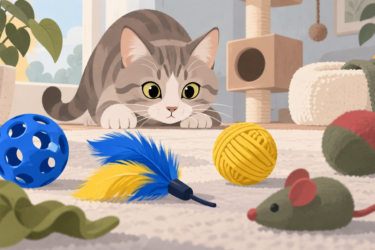
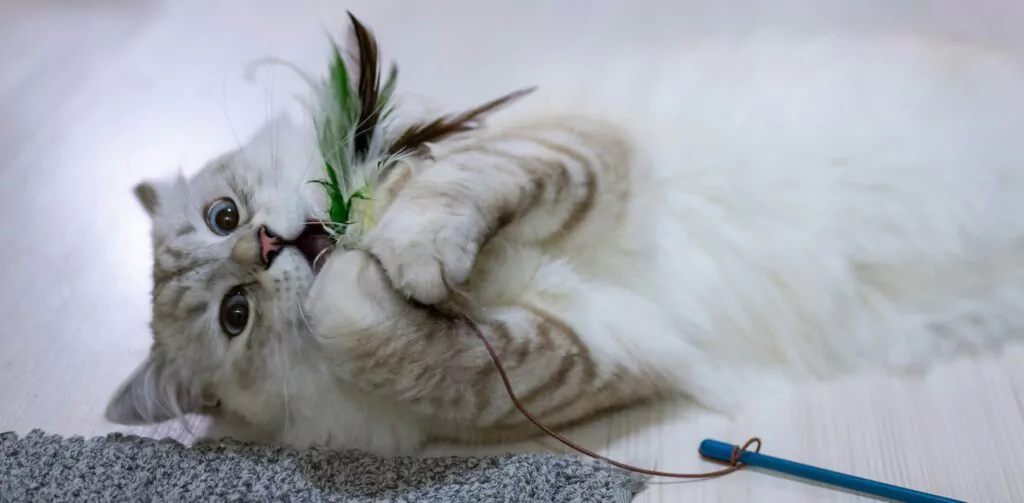
Is your cat bored during the day? Make them happy with a fun companion. Play actively with your cat multiple times a day – about 3 times for 5 minutes is enough. Rotate different cat toys and make the play challenging: stimulate your cat’s hunting instinct and use feather wands. Or throw balls and toy mice and let your cat fetch them.
3. Your cat is hungry or thirsty
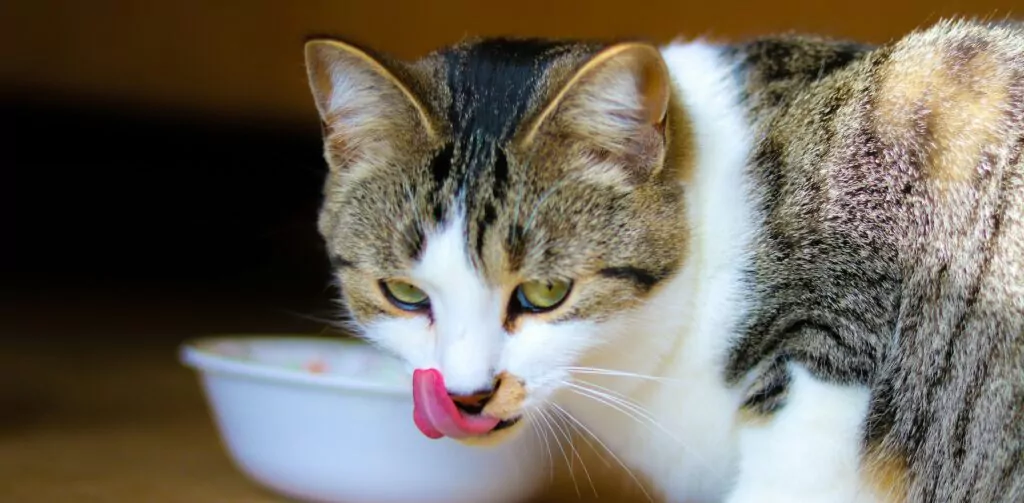
If your cat meows at night or early in the morning, it might have a simple practical cause: your cat is hungry or thirsty. In general, cats never eat their meal all at once – they prefer to eat small amounts throughout the day. And also at night. So if your cat’s food bowl is empty in the evening, your cat will let you know by meowing during the night.
The solution
Does your cat often get hungry or thirsty at night? Give them a cat treat or a small meal right before bed. Or use an automatic feeder that dispenses food occasionally during the night. And always make sure there is enough fresh water available – preferably spread across several water bowls around the house.
4. Your cat is sick or has a health problem
Young cats often meow at night if they are not yet spayed and are in heat. But a cat can also meow at night if something is wrong with them. Especially if your cat has never done this before, meowing at night could mean your cat is becoming senile, has pain, or is sick. Older cats, in particular, can become restless or confused in the dark. A visit to the vet is recommended.
Dr. Yuki Hattori says in his book An Illustrated Guide for Truly Understanding Your Cat: “If a cat is thirteen years or older and starts meowing at night, it could mean your cat is sick.”
The solution
Has your cat’s behavior suddenly changed or is it meowing much more often? Have your cat checked by a vet, as they may be sick, confused, or in pain.
5. Your cat needs attention
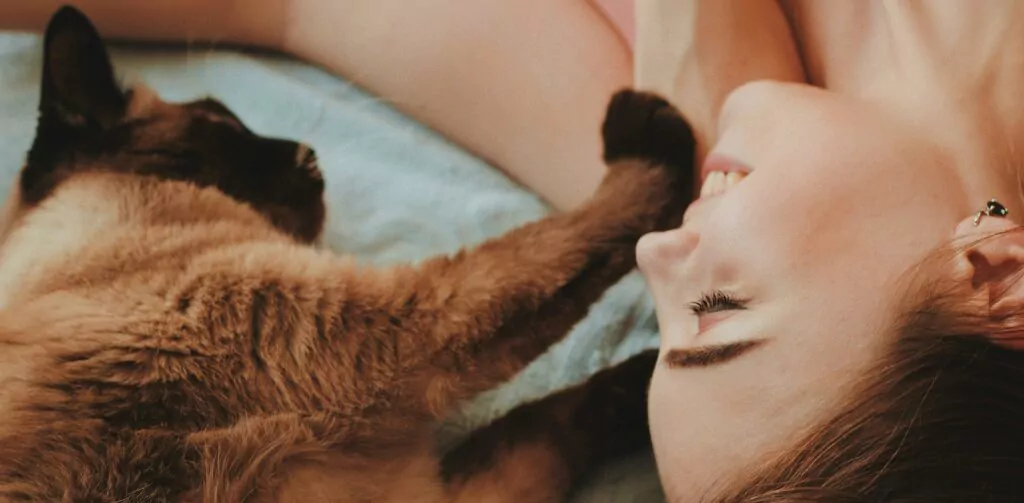
Cats often communicate with each other non-verbally – when they want to say something, they do so with body language or touch. So when a cat meows, they are “talking” to their owners. If your cat meows at night and you immediately respond by talking back or giving them attention or food, your cat will think: “Aha, this works!” And before you know it, you’ve developed a pattern where your cat wakes you up every night meowing for a pet, snack, or company.
The solution
Some cats simply love attention. But as difficult as it may be, don’t give your cat attention at night. After all, you want to enjoy a good night’s rest. Make up for it by giving your cat extra attention during the day, providing a cat wall to climb over, and, of course, playing with them – this shows that you love your cat, and they will need less attention at night.
6. Your cat is stressed or affected by changes
Cats love predictability – they are attached to the structure of a household. Changes can cause cats to feel stressed. Consider the following situations:
- moving to a new home
- a baby
- a new person in the house
- new sounds
- renovations
- a new pet in the house
- changes in routine
The stress your cat experiences can manifest as restlessness, destructive behavior, and yes, a nighttime meowing concert. Do you want your cat to stop meowing at night?
The solution
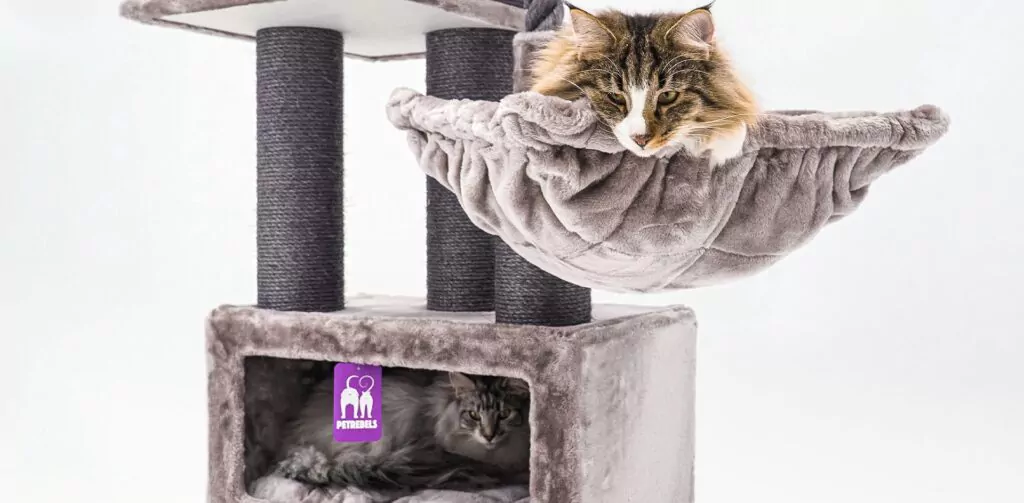
Do you think your cat is stressed or affected by changes? Give them time to adjust to new situations. Provide a calm and familiar spot in the house where your cat can retreat and relax. A scratching post is ideal because cats feel safe in high places. These scratching posts are perfect for cats experiencing stress or changes:
With these tips, you’ll understand exactly why cats meow at night. And with our helpful suggestions, you can assist your cat in becoming calmer while you sleep. So give your cat plenty of attention and love during the day, ensure there are challenges and cozy spots around the house, maintain a consistent routine, provide enough water and food, and always give your cat time to adjust to new situations.
Disclaimer: Petrebels is not a veterinarian or behavioral expert; all content, information, and tips on this page are intended to inspire you and are for informational purposes. If your cat is experiencing complaints or problems and you’re unsure about their health, always visit a veterinarian or behavioral expert.