












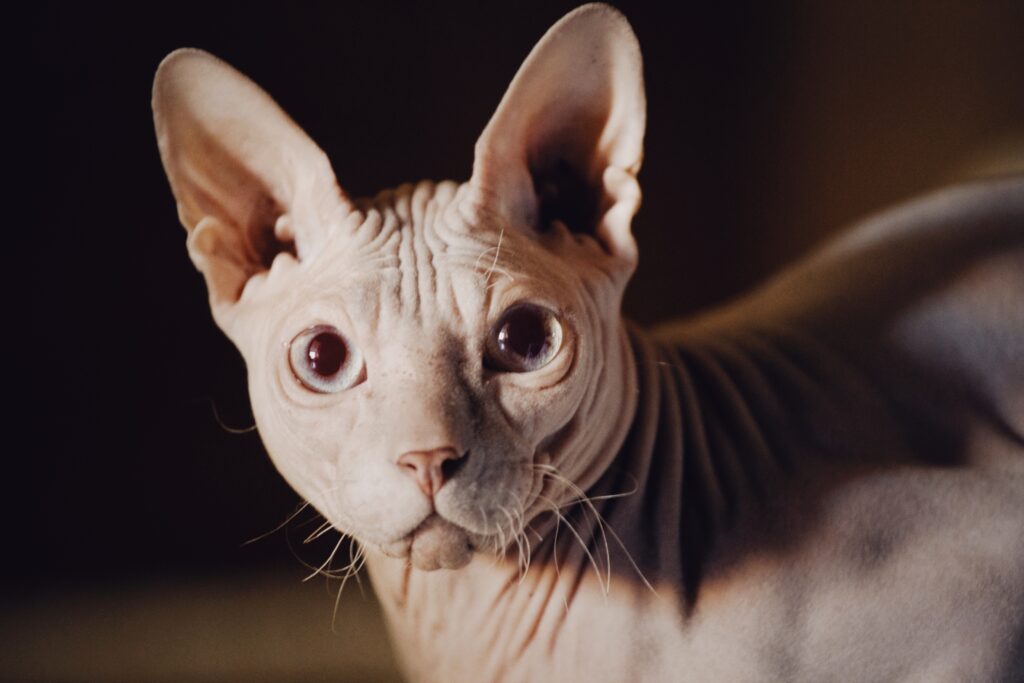
You can recognize a Sphynx immediately: this cat breed is (usually) hairless and (usually) lacks tactile and whiskers. Here, you will discover everything about the character, appearance, and care of these hairless cats.
In this blog:
- The origin of the Sphynx
- The character of a Sphynx
- The appearance and coat of a Sphynx
- The health of a Sphynx
- How long does a Sphynx live?
- The care of a Sphynx
- Buying a Sphynx (kitten)
1. The origin of the Sphynx
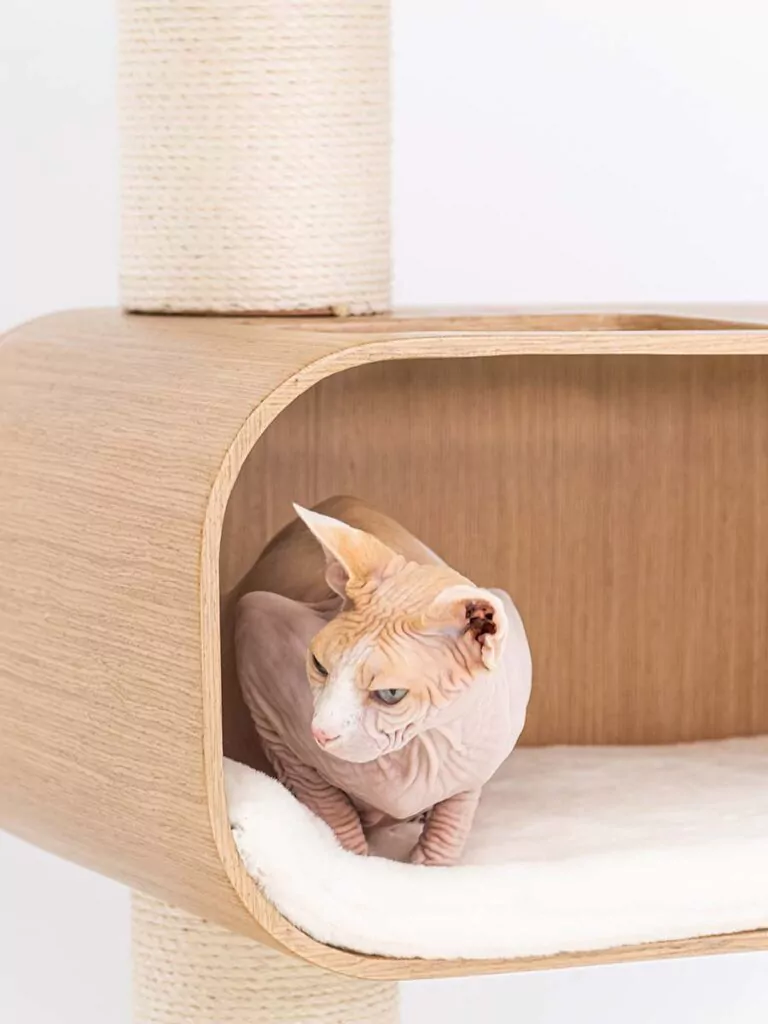
The hairless appearance of the Sphynx is actually a mistake of nature. The first of this unique cat breed was a kitten that was born hairless by accident in 1966 – the only hairless cat in a litter full of Canadian Shorthair kittens. Since then, the Sphynx has been bred for hairlessness and the breed has been officially recognized by various cat clubs. The name Sphynx comes from the fact that it resembles the famous Sphinx statues from ancient Egypt.
2. The character of the Sphynx
Sphynx cats are naturally intelligent, friendly, and curious. The breed is known for being crazy about their owners. They love to keep their owners company while doing chores around the house, follow them everywhere, and enjoy sitting on their lap, curled up under their blanket, or on their shoulder. They also enjoy company, just like dogs, and get along well with other pets with fur.
Sphynx cats have a good sense of humor and always do their best to entertain their owners. Furthermore, the Sphynx is playful, has more than enough energy, and loves being the center of attention. A super fun and friendly cat!
Good to know: While a Sphynx is (almost) hairless, it is definitely not hypoallergenic. If you are allergic to cats, it’s because you are allergic to the cat’s skin flakes and the protein found in their saliva, not to cat fur.
3. The appearance and coat of the Sphynx
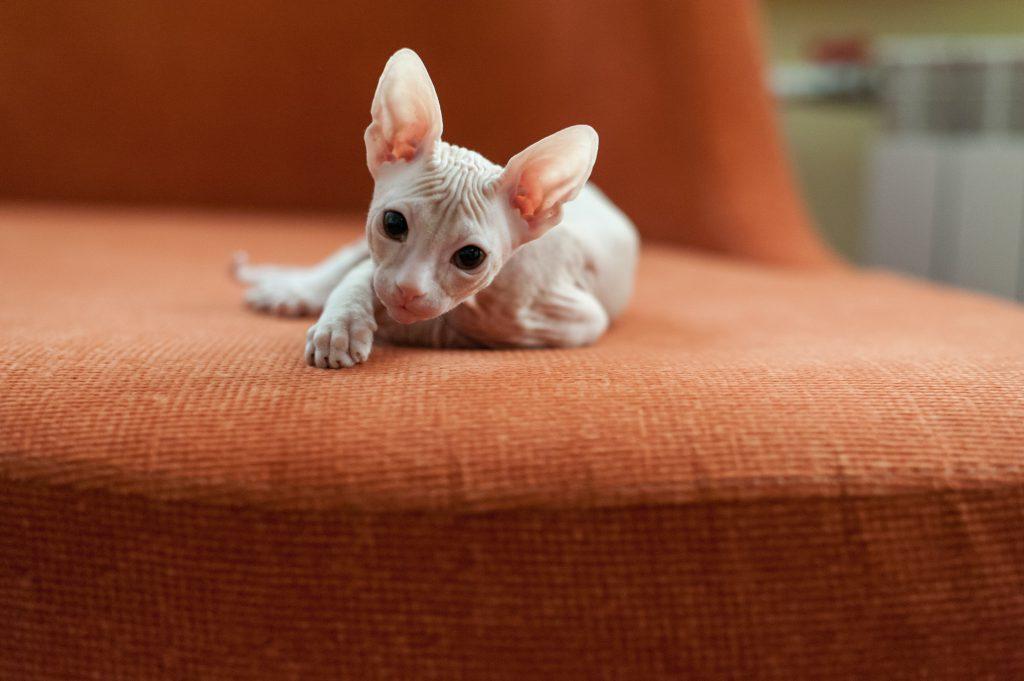
The first and most important feature of this cat is, of course, its appearance. Sphynx cats either have no fur or have a soft layer of down covering their bodies. Sphynx cats are small to medium-sized and typically weigh between 3.5 to 5 kilograms. Their bodies are muscular and slender. The head of these cats is triangular, with prominent cheekbones and large eyes that are slightly set on the sides of the head. Their ears are triangular and also large.
Despite having little to no fur, Sphynx cats can have various colors and patterns. In general, Sphynx cats have one or two colors:
- Black
- White
- Red
- Brown
- Lavender
Sphynx cats can have the following patterns: solid, bicolor, tabby, calico, mink, pointed, and tortoiseshell. And because the Sphynx often has little to no fur, it uses its toes to explore and examine objects and its environment.
4. The health of the Sphynx
Purebred cats are bred for unique traits. The Sphynx also has characteristics that make it special, such as:
- This cat is relatively small
- A Sphynx is hairless (or has a light layer of down)
- It usually also lacks whiskers and tactile hairs
Do thorough research on the health of this breed. Many purebred cats are prone to hereditary conditions. Sphynx cats are at a higher risk of developing heart disease, such as Hypertrophic Cardiomyopathy (HCM). It is important to be aware of this.
If you want to bring a healthy cat into your home, ask a veterinarian for advice. You can also consult the websites of Dier & Recht and the Dutch Food and Consumer Product Safety Authority, as they provide information about the breed’s health, whether it’s allowed, and the rules that apply to breeders.
5. How long does a Sphynx live?
A healthy Sphynx that is well cared for and comes from a reputable breeder can live up to around 15 years.
6. The care of the Sphynx
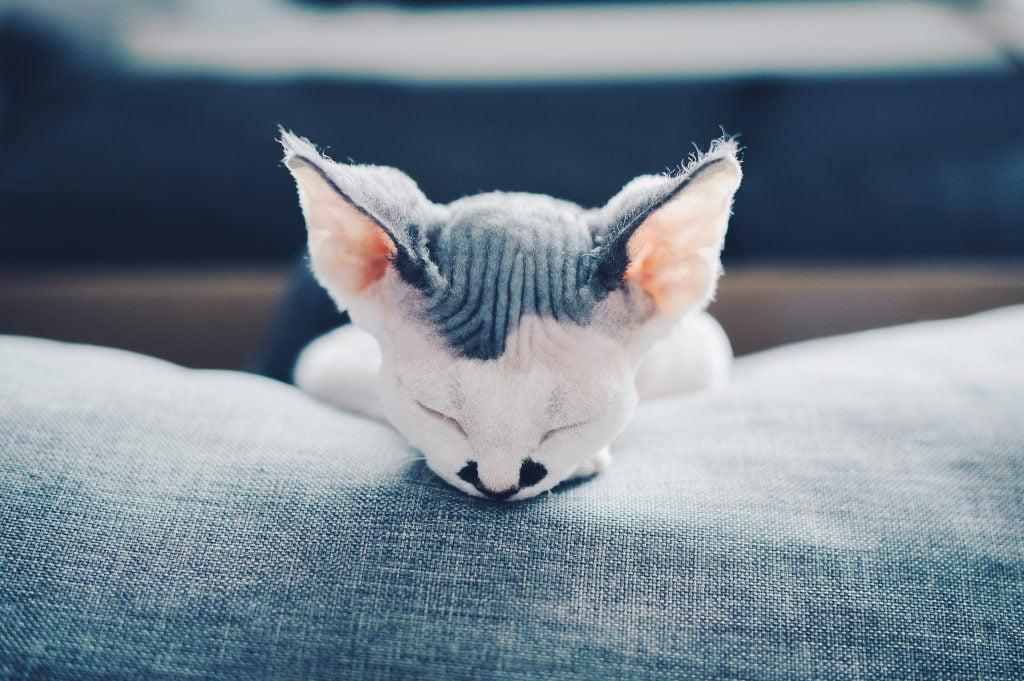
A Sphynx requires extra care due to its hairlessness. It is always a good idea to regularly take a cat to the vet for a general check-up. And because this breed has no fur, you need to protect their skin from too much sunlight. These cats also appreciate wearing a jacket or sweater, as it helps them maintain a comfortable temperature.
Another point of attention is nutrition. This breed burns more calories because its body requires more energy to stay warm. Therefore, a Sphynx needs more food than other cats, especially high-quality food. It’s also best to feed a Sphynx several small meals per day. Additionally, you should take good care of a Sphynx, just like any other cat, by providing:
- A safe home
- Love and plenty of attention
- Fresh water (multiple bowls) every day
- High-quality cat food
- Clean litter boxes with good litter
- A soft sleeping spot and plenty of toys
- A cat tree with cozy sleeping spots
- Treatment for ticks, fleas, and worms
- Regular visits to the vet
- Vaccinations against feline diseases
7. Buying a Sphynx (kitten)
Starting January 1, 2025, Sphynx cats may only be bred with fur and whiskers. Breeding hairless cats will no longer be allowed.
Have you found a breeder who breeds Sphynx cats with fur and whiskers? Always ask for the papers, a health certificate, and check the parents of the kitten. Also, take a look at the living environment: is it clean and homely, and are the parents present? That’s a good sign. Do not buy cats through Marktplaats, eBay, or from unethical breeders.
Are you looking for a cat, but it doesn’t have to be a kitten or a pedigree? Check out shelters or adoption agencies. Many lovely cats are waiting for a good home.
And remember: you don’t have a cat for just a short time, but for its entire life. Are you ready to take good care of the animal and set aside money for its care and veterinary visits? If so, a cat might become your new best friend!
Discover here what the approximate cost of caring for a cat is
Disclaimer: Petrebels is not a vet or a behaviourist: all content, information and tips on this blog are meant to inspire you and are of an informative nature. Does your cat have complaints or problems? Or do you have doubts about your cat’s health? Always go to the vet or a behaviourist.